

The Economic Moat: How to Find Indestructible Companies Warren Buffett Style
The best companies don’t just make money today; they have a castle surrounded by water and crocodiles to keep the competition from stealing their customers. Sounds like a medieval movie, right? But this analogy is exactly the one Warren Buffett, one of the most successful investors in history, uses to explain why some companies dominate their market for decades while others vanish in just a few years.

Advantages and risks of investing in companies with high growth in their product pipeline
Investing in the stock market can seem complicated, especially when you start hearing terms like “product pipeline,” “projected growth,” or “disruptive innovation.” However, behind these technical concepts lie some fairly simple ideas. In this article, we’ll explain, in clear and easy-to-understand language, what it means to invest in companies with high-growth product pipelines, what the advantages are, and what risks you should consider before making a decision.

Dividend reinvestment strategy: long-term advantages for portfolio builders
When someone starts investing, one of the first questions that usually arises is: what do I do with the dividends I receive? Do I spend them, save them, or reinvest them? While there’s no single right answer for every situation, dividend reinvestment is one of the most powerful and underrated strategies for building long-term wealth, especially for those constructing a portfolio with a long-term perspective.

Comparison of startups vs established companies: risk and reward
When we think about investing, a question that never gets old often arises: Is it better to invest in new, high-growth companies or in large, established companies?

How to build a balanced portfolio with growth stocks + defensive stocks
Building a solid investment portfolio doesn’t have to be complicated. In fact, one of the simplest and most effective approaches for those looking to grow their money without taking unnecessary risks is to combine growth stocks with defensive stocks.
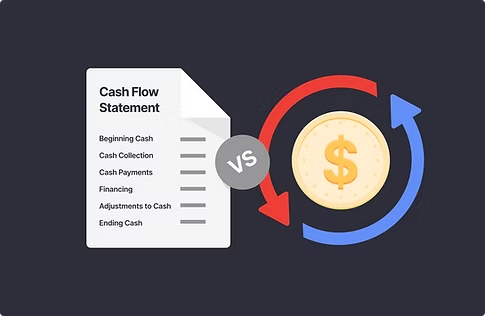
How to read cash flow statements to determine if a company really has free cash
When a company releases its quarterly or annual results, most novice investors tend to first look at revenue and net income . If the number is green, they think everything is going well; if it’s red, they get alarmed. But the reality is that those two pieces of data don’t always tell the whole story.

Investor Psychology: How to Avoid Impulsive Decisions When the Market Is Volatile
Investing isn’t just about numbers, charts, or strategies. It’s also about emotions. And although many won’t admit it, emotions often have more power than we think when it comes to making investment decisions.
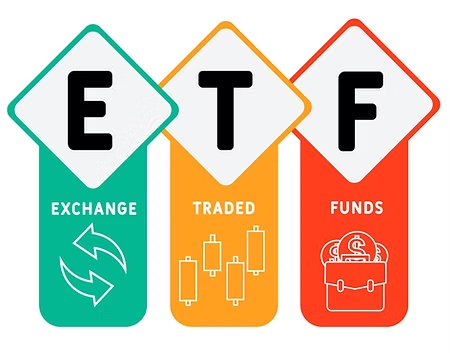
ETF vs. Individual Stocks: Which is Better for Beginners?
Investing can seem like a complicated world when you’re just starting out. With so many terms—stocks, funds, ETFs, indices, returns, volatility—it’s normal to feel overwhelmed. But there’s one question many beginners ask before getting started:

What to do if a stock drops 50%: a strategy for reacting intelligently
Introduction: When the market tests you

Analyzing companies with high debt: What is the tolerable level and when does it become a problem?
A company’s debt can be a double-edged sword. On the one hand, it allows it to finance growth projects, launch new products, or expand into new markets. On the other hand, excessive debt can become an unsustainable burden and jeopardize the company’s stability.

History cases of companies that failed (and why)
When investing in the stock market, it’s common to get caught up in the excitement of the moment: a new product that revolutionizes the market, headlines in the media, or a piece of “advice” that sounds too good to ignore. However, history is full of examples of companies that seemed like investment gems and, over time, turned out to be a great lesson in risk.
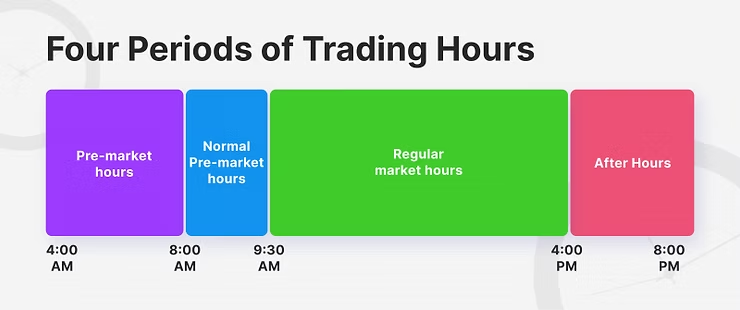
How to interpret strong movements in pre-market and after-hours
In the U.S. stock markets—and in many other markets—regular trading hours aren’t the only time stocks move. Millions of shares are also traded every day before the official opening (pre-market) and after the closing (after-hours). It’s during these periods that sharp price movements frequently occur, generating headlines and often causing confusion among investors. Understanding what these changes mean and how to analyze them is key for any trader or investor who wants to make informed decisions.
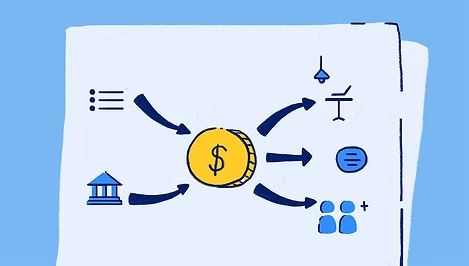
Free Cash Flow: The metric every investor should understand (and why it can change your investment decisions)
When we talk about analyzing companies, we often focus on revenue, net income, or earnings per share. But there is a much more powerful indicator for understanding a business’s true financial health: Free Cash Flow (FCF).

What is the P/E Ratio and why does it matter?
Investing in stocks may sound complicated at first, but there are some key concepts that, once understood, make a big difference. One of them is the P/E ratio (Price-to-Earnings Ratio). You may have seen it on financial websites or in stock market reports, but do you really know what it means and why it’s important?

How to invest with little money?
Many people believe that to invest in the stock market, you need to be rich, have thousands of pesos saved, or be familiar with terms like “derivatives,” “volatility,” or “preferred stocks.” Nothing could be further from the truth. Today, thanks to technology and new platforms, investing is accessible to everyone, even if you have a modest income or are starting from scratch.

What is an ETF? A guide to getting started investing without complications
If you’re new to investing, you’ve probably heard the word “ETF” thrown around. Maybe it sounded complicated or like something only Wall Street experts understand. But here’s the truth: ETFs are one of the easiest and smartest ways to start investing. They’re beginner-friendly, flexible, and can help you grow your money without having to become a financial genius.

Investing in Stocks: Your Complete Guide to Getting Started
Have you ever dreamed of making your money work for you? Are you intrigued by the world of investing, but don’t know where to start? If so, this post is for you.