<?xml version="1.0" encoding="utf-8"?><feed xmlns="http://www.w3.org/2005/Atom" ><generator uri="https://jekyllrb.com/" version="4.3.4">Jekyll</generator><link href="https://stockerowl.com/blog/feed.xml" rel="self" type="application/atom+xml" /><link href="https://stockerowl.com/blog/" rel="alternate" type="text/html" /><updated>2026-05-13T17:43:30+00:00</updated><id>https://stockerowl.com/blog/feed.xml</id><title type="html">Stockerowl Blog</title><subtitle>AI-Powered Value Investing. We translate complex Wall Street data into clear, easy-to-understand insights.</subtitle><entry xml:lang="en"><title type="html">Advantages and risks of investing in companies with high growth in their product pipeline</title><link href="https://stockerowl.com/blog/en/advantages-risks-investing-companies-high-growth-their-product-pipeline/" rel="alternate" type="text/html" title="Advantages and risks of investing in companies with high growth in their product pipeline" /><published>2026-02-25T10:00:00+00:00</published><updated>2026-02-25T10:00:00+00:00</updated><id>https://stockerowl.com/blog/en/advantages-risks-investing-companies-high-growth-their-product-pipeline</id><content type="html" xml:base="https://stockerowl.com/blog/en/advantages-risks-investing-companies-high-growth-their-product-pipeline/"><![CDATA[<p>Investing in the stock market can seem complicated, especially when you start hearing terms like “product pipeline,” “projected growth,” or “disruptive innovation.” However, behind these technical concepts lie some fairly simple ideas. In this article, we’ll explain, in clear and easy-to-understand language, what it means to invest in companies with high-growth product pipelines, what the advantages are, and what risks you should consider before making a decision.</p>

<!--more-->

<h2 id="what-is-a-product-pipeline">What is a “product pipeline”?</h2>

<p>Imagine a company as an idea factory. Some ideas have already been transformed into products that are sold today and generate revenue. Others are under development: being designed, tested, or improved. And still others are just in the concept stage.</p>

<p>The “product pipeline” is, essentially, the list of new products that a company is developing and expects to launch in the future. It’s like a pipeline through which new business opportunities flow.</p>

<p>For example, a pharmaceutical company might have several drugs in different phases of research. A technology company might be developing new devices, software, or services based on artificial intelligence. An automotive company might be investing in electric vehicles or autonomous technologies.</p>

<p>When we say that a company has a “high-growth pipeline,” it means that it is investing heavily in new products and that these products are expected to drive its growth in the coming years.</p>

<h2 id="why-do-these-types-of-companies-attract-so-much-attention">Why do these types of companies attract so much attention?</h2>

<p>Many investors are drawn to companies that promise an exciting future. They look not only at how much the company earns today, but also at how much it could earn tomorrow.</p>

<p>Companies like large technology, biotechnology, or renewable energy firms are often constantly launching or developing new products. This dynamism generates expectations of accelerated growth, which can translate into significant increases in their stock price.</p>

<p>However, along with this promise of growth come uncertainties.</p>

<p>Let’s first analyze the advantages.</p>

<h2 id="advantages-of-investing-in-companies-with-high-growth-in-their-product-pipeline">Advantages of investing in companies with high growth in their product pipeline</h2>

<h3 id="1-high-yield-potential">1. High yield potential</h3>

<p>The main advantage is the potential for above-average returns.</p>

<p>If a company launches a successful product that revolutionizes the market or captures a large share of customers, its revenue can skyrocket. When this happens, the company’s value increases, and consequently, so does its stock price.</p>

<p>Investors who bought in before the major success can see significant increases in the value of their investment.</p>

<h3 id="2-sustained-long-term-growth">2. Sustained long-term growth</h3>

<p>A company with a strong pipeline isn’t dependent on a single product. It’s constantly preparing for its next launch. This can provide long-term stability.</p>

<p>Instead of getting stuck with a product that eventually loses popularity, the company continually refreshes its offerings. This is key in sectors where innovation is rapid, such as technology, healthcare, or energy.</p>

<p>A strong pipeline can signify that the company has a strategic vision and is thinking about the future, not just the current quarter’s profits.</p>

<h3 id="3-competitive-advantage-over-other-companies">3. Competitive advantage over other companies</h3>

<p><img src="/blog/assets/images/posts/competitive-advantage.png" alt="Competitive Advantage" class="align-center" /></p>

<p>When a company invests heavily in research and development, it can stay ahead of its competitors.</p>

<p>If it manages to launch unique or more advanced products than those of its competitors, it can gain a larger market share. This translates into higher sales and a stronger position within its industry.</p>

<p>Investors highly value this capacity for constant innovation.</p>

<h3 id="4-greater-market-appeal">4. Greater market appeal</h3>

<p>Companies with new developments tend to receive more attention from analysts, the media, and other investors. This can generate greater interest in their stock and, in some cases, boost its price.</p>

<p>The financial market is driven not only by current results but also by expectations. If a new product is expected to be successful, the stock price can rise even before the product generates actual revenue.</p>

<h3 id="5-diversification-within-the-same-company">5. Diversification within the same company</h3>

<p>If the pipeline includes several products at different stages, the risk can be partially distributed.</p>

<p>Not everything depends on a single gamble. If one product fails, another could succeed. This internal diversification can be an advantage over companies that rely on a single line of business.</p>

<h2 id="risks-of-investing-in-companies-with-high-growth-in-their-pipeline">Risks of investing in companies with high growth in their pipeline</h2>

<p><img src="/blog/assets/images/posts/investing-risk.png" alt="Investing Risk" class="align-center" /></p>

<p>So far, everything sounds very appealing. But investing always involves risks, and in these types of companies, those risks can be significant.</p>

<h3 id="1-uncertainty-about-the-success-of-the-products">1. Uncertainty about the success of the products</h3>

<p>Not all products in development reach the market. And of those that do, not all are successful.</p>

<p>In sectors like pharmaceuticals, many projects fall by the wayside after years of research and millions of dollars invested. In technology, a new device may not be well received by consumers.</p>

<p>If the market had high expectations and the product fails, the stock price can plummet.</p>

<h3 id="2-high-research-and-development-costs">2. High research and development costs</h3>

<p>Developing new products costs money. A lot of money.</p>

<p>Companies with large pipelines typically spend significant amounts on research, testing, prototyping, and marketing. If these expenses don’t translate into sufficient sales, they can negatively impact profitability.</p>

<p>In some cases, a company may even report losses for several years while developing its projects.</p>

<h3 id="3-dependence-on-regulations-or-approvals">3. Dependence on regulations or approvals</h3>

<p>In industries such as healthcare, energy, and telecommunications, many products require regulatory approval.</p>

<p>If a government agency rejects a product or imposes additional requirements, the launch may be delayed or canceled. This creates uncertainty and can negatively impact the company’s value.</p>

<h3 id="4-expectations-too-high">4. Expectations too high</h3>

<p>Sometimes the greatest risk isn’t outright failure, but rather failing to meet expectations.</p>

<p>If investors expect a new product to double sales and it only increases them slightly, the market may react negatively. Even if the company has performed reasonably well, the disappointment can cause the stock price to fall.</p>

<p>When a company is very “hot,” the enthusiasm can inflate its valuation beyond what is reasonable.</p>

<h3 id="5-stock-price-volatility">5. Stock price volatility</h3>

<p>Companies with high projected growth tend to have more volatile stocks. This means their price can rise and fall more sharply.</p>

<p>For investors with a low risk tolerance, this rollercoaster ride can be unsettling. It’s possible to see significant gains in a short period, but also substantial losses.</p>

<h2 id="how-to-evaluate-these-types-of-companies">How to evaluate these types of companies?</h2>

<p><img src="/blog/assets/images/posts/company-evaluation.png" alt="Company Evaluation" class="align-center" /></p>

<p>If you’re considering investing in companies with strong growth pipelines, here are some key aspects to analyze:</p>

<h3 id="1-execution-history">1. Execution history</h3>

<p>Has the company launched successful products in the past? A good track record increases the likelihood that future developments will also be successful.</p>

<h3 id="2-financial-health">2. Financial health</h3>

<p>Do you have enough money to sustain your projects? Check if you have cash reserves and manageable debt levels.</p>

<h3 id="3-pipeline-diversification">3. Pipeline diversification</h3>

<p>Does it rely on a single flagship product or does it have several projects underway? The more diversified the pipeline, the less impact a potential single failure will have.</p>

<h3 id="4-competitive-position">4. Competitive position</h3>

<p>Does it have clear advantages over other companies in the sector? This could include patents, proprietary technology, a strong brand, or strategic alliances.</p>

<h3 id="5-current-valuation">5. Current valuation</h3>

<p>Sometimes a company can be excellent, but if its price is already too high relative to its current earnings, its growth potential could be limited.</p>

<h2 id="what-type-of-investor-is-this-strategy-suitable-for">What type of investor is this strategy suitable for?</h2>

<p>Investing in companies with high growth pipelines is generally more suitable for:</p>

<ul>
  <li>Individuals with a long-term investment horizon.</li>
  <li>Investors with a tolerance for volatility.</li>
  <li>Those seeking high growth potential, even if it involves greater risk.</li>
</ul>

<p>It is not usually ideal for those who need immediate stability or depend on constant and predictable income.</p>

<h2 id="the-importance-of-diversification">The importance of diversification</h2>

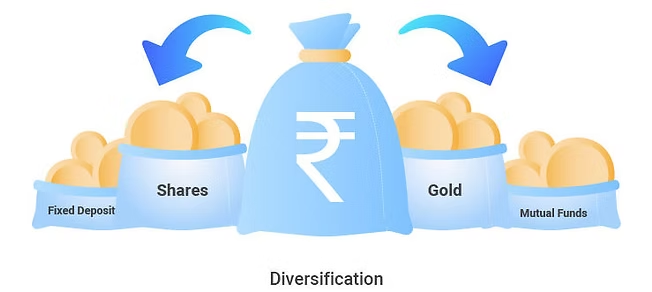
<p>A key recommendation is not to put all your money into a single company, no matter how promising it may seem.</p>

<p>Diversification is a fundamental strategy for reducing risk. You can combine high-growth companies with more stable and established ones. This balances potential returns with greater security.</p>

<p>You can also diversify by sector or even by geographic region.</p>

<h2 id="think-long-term">Think long-term</h2>

<p><img src="/blog/assets/images/posts/long-term-investment.png" alt="Long Term Investment" class="align-center" /></p>

<p>Many innovative companies go through difficult periods before becoming established. Their stock prices may temporarily fall due to delays, market changes, or negative news.</p>

<p>If you decide to invest in these types of companies, it’s important to be patient and have a long-term perspective. Constantly evaluate your investment thesis, but avoid reacting impulsively to every piece of news.</p>

<h2 id="conclusion">Conclusion</h2>

<p>Investing in companies with high-growth product pipelines can be an exciting and potentially profitable strategy. It offers the opportunity to participate in innovations that transform industries and generate significant profits.</p>

<p>However, it also involves considerable risks: uncertainty about product success, high development costs, dependence on regulatory approvals, and high market volatility.</p>

<p>The key is to be well-informed, carefully analyze each company, and understand your own risk profile. It’s not just about chasing the next big trend, but about making conscious decisions aligned with your financial goals.</p>

<p>As with any investment, there are no guarantees. But with knowledge, diversification, and discipline, you can increase your chances of success.</p>

<p>Before investing, ask yourself: Am I willing to endure ups and downs in exchange for greater growth potential? If the answer is yes, these types of companies could be an interesting part of your strategy. If not, it might be better to opt for more stable alternatives.</p>

<p>Investing is not a sprint, but a marathon. And understanding both the advantages and the risks is the first step to moving forward with confidence.</p>]]></content><author><name>Stockerowl Team</name></author><category term="en" /><category term="Financial Education" /><summary type="html"><![CDATA[Investing in the stock market can seem complicated, especially when you start hearing terms like “product pipeline,” “projected growth,” or “disruptive innovation.” However, behind these technical concepts lie some fairly simple ideas. In this article, we’ll explain, in clear and easy-to-understand language, what it means to invest in companies with high-growth product pipelines, what the advantages are, and what risks you should consider before making a decision.]]></summary></entry><entry xml:lang="es"><title type="html">Ventajas y riesgos de invertir en empresas con alto crecimiento en su cartera de productos</title><link href="https://stockerowl.com/blog/es/advantages-risks-investing-companies-high-growth-their-product-pipeline/" rel="alternate" type="text/html" title="Ventajas y riesgos de invertir en empresas con alto crecimiento en su cartera de productos" /><published>2026-02-25T10:00:00+00:00</published><updated>2026-02-25T10:00:00+00:00</updated><id>https://stockerowl.com/blog/es/ventajas-y-riesgos-de-invertir-en-empresas-con-alto-crecimiento-en-su-cartera-de-productos</id><content type="html" xml:base="https://stockerowl.com/blog/es/advantages-risks-investing-companies-high-growth-their-product-pipeline/"><![CDATA[<p>Invertir en el mercado de valores puede parecer complicado, especialmente cuando empiezas a escuchar términos como “cartera de productos” (product pipeline), “crecimiento proyectado” o “innovación disruptiva”. Sin embargo, detrás de estos conceptos técnicos se esconden ideas bastante simples. En este artículo, explicaremos, en un lenguaje claro y fácil de entender, qué significa invertir en empresas con carteras de productos de alto crecimiento, cuáles son las ventajas y qué riesgos debes considerar antes de tomar una decisión.</p>

<!--more-->

<h2 id="qué-es-una-cartera-de-productos">¿Qué es una “cartera de productos”?</h2>

<p>Imagina una empresa como una fábrica de ideas. Algunas ideas ya se han transformado en productos que se venden hoy y generan ingresos. Otras están en desarrollo: siendo diseñadas, probadas o mejoradas. Y otras más están solo en etapa conceptual.</p>

<p>La “cartera de productos” (pipeline) es, esencialmente, la lista de nuevos productos que una empresa está desarrollando y espera lanzar en el futuro. Es como una tubería por la que fluyen nuevas oportunidades de negocio.</p>

<p>Por ejemplo, una empresa farmacéutica podría tener varios medicamentos en diferentes fases de investigación. Una empresa de tecnología podría estar desarrollando nuevos dispositivos, software o servicios basados en inteligencia artificial. Una empresa automotriz podría estar invirtiendo en vehículos eléctricos o tecnologías autónomas.</p>

<p>Cuando decimos que una empresa tiene una “cartera de alto crecimiento”, significa que está invirtiendo fuertemente en nuevos productos y que se espera que estos productos impulsen su crecimiento en los próximos años.</p>

<h2 id="por-qué-este-tipo-de-empresas-atraen-tanta-atención">¿Por qué este tipo de empresas atraen tanta atención?</h2>

<p>Muchos inversores se sienten atraídos por empresas que prometen un futuro emocionante. No solo se fijan en cuánto gana la empresa hoy, sino también en cuánto podría ganar mañana.</p>

<p>Empresas como las grandes tecnológicas, de biotecnología o de energías renovables suelen estar lanzando o desarrollando nuevos productos constantemente. Este dinamismo genera expectativas de crecimiento acelerado, lo que puede traducirse en aumentos significativos en el precio de sus acciones.</p>

<p>Sin embargo, junto con esta promesa de crecimiento vienen las incertidumbres.</p>

<p>Analicemos primero las ventajas.</p>

<h2 id="ventajas-de-invertir-en-empresas-con-alto-crecimiento-en-su-cartera-de-productos">Ventajas de invertir en empresas con alto crecimiento en su cartera de productos</h2>

<h3 id="1-alto-potencial-de-rendimiento">1. Alto potencial de rendimiento</h3>

<p>La principal ventaja es el potencial de obtener rendimientos superiores al promedio.</p>

<p>Si una empresa lanza un producto exitoso que revoluciona el mercado o capta una gran parte de los clientes, sus ingresos pueden dispararse. Cuando esto sucede, el valor de la empresa aumenta y, en consecuencia, también lo hace el precio de sus acciones.</p>

<p>Los inversores que compraron antes del gran éxito pueden ver aumentos significativos en el valor de su inversión.</p>

<h3 id="2-crecimiento-sostenido-a-largo-plazo">2. Crecimiento sostenido a largo plazo</h3>

<p>Una empresa con una cartera sólida no depende de un solo producto. Se está preparando constantemente para su próximo lanzamiento. Esto puede proporcionar estabilidad a largo plazo.</p>

<p>En lugar de quedarse atascada con un producto que eventualmente pierde popularidad, la empresa renueva continuamente su oferta. Esto es clave en sectores donde la innovación es rápida, como la tecnología, la salud o la energía.</p>

<p>Una cartera fuerte puede significar que la empresa tiene una visión estratégica y está pensando en el futuro, no solo en las ganancias del trimestre actual.</p>

<h3 id="3-ventaja-competitiva-sobre-otras-empresas">3. Ventaja competitiva sobre otras empresas</h3>

<p><img src="/blog/assets/images/posts/competitive-advantage.png" alt="Competitive Advantage" class="align-center" /></p>

<p>Cuando una empresa invierte fuertemente en investigación y desarrollo, puede mantenerse por delante de sus competidores.</p>

<p>Si logra lanzar productos únicos o más avanzados que los de su competencia, puede ganar una mayor participación de mercado. Esto se traduce en mayores ventas y una posición más fuerte dentro de su industria.</p>

<p>Los inversores valoran mucho esta capacidad de innovación constante.</p>

<h3 id="4-mayor-atractivo-en-el-mercado">4. Mayor atractivo en el mercado</h3>

<p>Las empresas con nuevos desarrollos tienden a recibir más atención de los analistas, los medios de comunicación y otros inversores. Esto puede generar un mayor interés en sus acciones y, en algunos casos, impulsar su precio.</p>

<p>El mercado financiero no solo se mueve por los resultados actuales, sino también por las expectativas. Si se espera que un nuevo producto tenga éxito, el precio de las acciones puede subir incluso antes de que el producto genere ingresos reales.</p>

<h3 id="5-diversificación-dentro-de-la-misma-empresa">5. Diversificación dentro de la misma empresa</h3>

<p>Si la cartera incluye varios productos en diferentes etapas, el riesgo puede distribuirse parcialmente.</p>

<p>No todo depende de una sola apuesta. Si un producto fracasa, otro podría tener éxito. Esta diversificación interna puede ser una ventaja frente a las empresas que dependen de una única línea de negocio.</p>

<h2 id="riesgos-de-invertir-en-empresas-con-alto-crecimiento-en-su-cartera">Riesgos de invertir en empresas con alto crecimiento en su cartera</h2>

<p><img src="/blog/assets/images/posts/investing-risk.png" alt="Investing Risk" class="align-center" /></p>

<p>Hasta ahora, todo suena muy atractivo. Pero invertir siempre implica riesgos, y en este tipo de empresas, esos riesgos pueden ser significativos.</p>

<h3 id="1-incertidumbre-sobre-el-éxito-de-los-productos">1. Incertidumbre sobre el éxito de los productos</h3>

<p>No todos los productos en desarrollo llegan al mercado. Y de los que lo hacen, no todos tienen éxito.</p>

<p>En sectores como el farmacéutico, muchos proyectos se quedan por el camino tras años de investigación y millones de dólares invertidos. En tecnología, un nuevo dispositivo puede no ser bien recibido por los consumidores.</p>

<p>Si el mercado tenía altas expectativas y el producto fracasa, el precio de las acciones puede desplomarse.</p>

<h3 id="2-altos-costos-de-investigación-y-desarrollo">2. Altos costos de investigación y desarrollo</h3>

<p>Desarrollar nuevos productos cuesta dinero. Mucho dinero.</p>

<p>Las empresas con grandes carteras suelen gastar cantidades significativas en investigación, pruebas, prototipos y marketing. Si estos gastos no se traducen en suficientes ventas, pueden afectar negativamente la rentabilidad.</p>

<p>En algunos casos, una empresa puede incluso reportar pérdidas durante varios años mientras desarrolla sus proyectos.</p>

<h3 id="3-dependencia-de-regulaciones-o-aprobaciones">3. Dependencia de regulaciones o aprobaciones</h3>

<p>En industrias como la salud, la energía y las telecomunicaciones, muchos productos requieren aprobación regulatoria.</p>

<p>Si una agencia gubernamental rechaza un producto o impone requisitos adicionales, el lanzamiento puede retrasarse o cancelarse. Esto crea incertidumbre y puede afectar negativamente el valor de la empresa.</p>

<h3 id="4-expectativas-demasiado-altas">4. Expectativas demasiado altas</h3>

<p>A veces, el mayor riesgo no es un fracaso absoluto, sino no cumplir con las expectativas.</p>

<p>Si los inversores esperan que un nuevo producto duplique las ventas y solo las aumenta ligeramente, el mercado puede reaccionar negativamente. Incluso si la empresa ha tenido un desempeño razonablemente bueno, la decepción puede hacer que el precio de las acciones caiga.</p>

<p>Cuando una empresa está muy “de moda”, el entusiasmo puede inflar su valoración más allá de lo razonable.</p>

<h3 id="5-volatilidad-en-el-precio-de-las-acciones">5. Volatilidad en el precio de las acciones</h3>

<p>Las empresas con alto crecimiento proyectado tienden a tener acciones más volátiles. Esto significa que su precio puede subir y bajar de forma más brusca.</p>

<p>Para los inversores con baja tolerancia al riesgo, esta montaña rusa puede ser inquietante. Es posible ver ganancias significativas en un corto período, pero también pérdidas sustanciales.</p>

<h2 id="cómo-evaluar-este-tipo-de-empresas">¿Cómo evaluar este tipo de empresas?</h2>

<p><img src="/blog/assets/images/posts/company-evaluation.png" alt="Company Evaluation" class="align-center" /></p>

<p>Si estás considerando invertir en empresas con carteras de fuerte crecimiento, aquí hay algunos aspectos clave a analizar:</p>

<h3 id="1-historial-de-ejecución">1. Historial de ejecución</h3>

<p>¿La empresa ha lanzado productos exitosos en el pasado? Un buen historial aumenta la probabilidad de que los desarrollos futuros también tengan éxito.</p>

<h3 id="2-salud-financiera">2. Salud financiera</h3>

<p>¿Tiene suficiente dinero para sostener sus proyectos? Verifica si tiene reservas de efectivo y niveles de deuda manejables.</p>

<h3 id="3-diversificación-de-la-cartera">3. Diversificación de la cartera</h3>

<p>¿Depende de un único producto estrella o tiene varios proyectos en marcha? Cuanto más diversificada sea la cartera, menor impacto tendrá un posible fracaso individual.</p>

<h3 id="4-posición-competitiva">4. Posición competitiva</h3>

<p>¿Tiene ventajas claras sobre otras empresas del sector? Esto podría incluir patentes, tecnología patentada, una marca fuerte o alianzas estratégicas.</p>

<h3 id="5-valoración-actual">5. Valoración actual</h3>

<p>A veces una empresa puede ser excelente, pero si su precio ya es demasiado alto en relación a sus ganancias actuales, su potencial de crecimiento podría verse limitado.</p>

<h2 id="para-qué-tipo-de-inversor-es-adecuada-esta-estrategia">¿Para qué tipo de inversor es adecuada esta estrategia?</h2>

<p>Invertir en empresas con carteras de alto crecimiento es generalmente más adecuado para:</p>

<ul>
  <li>Personas con un horizonte de inversión a largo plazo.</li>
  <li>Inversores con tolerancia a la volatilidad.</li>
  <li>Quienes buscan un alto potencial de crecimiento, incluso si implica un mayor riesgo.</li>
</ul>

<p>No suele ser ideal para quienes necesitan estabilidad inmediata o dependen de ingresos constantes y predecibles.</p>

<h2 id="la-importancia-de-la-diversificación">La importancia de la diversificación</h2>

<p>Una recomendación clave es no poner todo tu dinero en una sola empresa, por muy prometedora que parezca.</p>

<p>La diversificación es una estrategia fundamental para reducir el riesgo. Puedes combinar empresas de alto crecimiento con otras más estables y consolidadas. Esto equilibra los posibles rendimientos con una mayor seguridad.</p>

<p>También puedes diversificar por sector o incluso por región geográfica.</p>

<h2 id="piensa-a-largo-plazo">Piensa a largo plazo</h2>

<p><img src="/blog/assets/images/posts/long-term-investment.png" alt="Long Term Investment" class="align-center" /></p>

<p>Muchas empresas innovadoras pasan por períodos difíciles antes de consolidarse. Sus acciones pueden caer temporalmente debido a retrasos, cambios en el mercado o noticias negativas.</p>

<p>Si decides invertir en este tipo de empresas, es importante tener paciencia y perspectiva a largo plazo. Evalúa constantemente tu tesis de inversión, pero evita reaccionar impulsivamente a cada noticia.</p>

<h2 id="conclusión">Conclusión</h2>

<p>Invertir en empresas con carteras de productos de alto crecimiento puede ser una estrategia emocionante y potencialmente rentable. Ofrece la oportunidad de participar en innovaciones que transforman industrias y generan ganancias significativas.</p>

<p>Sin embargo, también conlleva riesgos considerables: incertidumbre sobre el éxito del producto, altos costos de desarrollo, dependencia de aprobaciones regulatorias y alta volatilidad en el mercado.</p>

<p>La clave es estar bien informado, analizar cuidadosamente cada empresa y comprender tu propio perfil de riesgo. No se trata solo de perseguir la próxima gran tendencia, sino de tomar decisiones conscientes alineadas con tus objetivos financieros.</p>

<p>Como en cualquier inversión, no hay garantías. Pero con conocimiento, diversificación y disciplina, puedes aumentar tus posibilidades de éxito.</p>

<p>Antes de invertir, pregúntate: ¿Estoy dispuesto a soportar altibajos a cambio de un mayor potencial de crecimiento? Si la respuesta es sí, este tipo de empresas podría ser una parte interesante de tu estrategia. Si no, podría ser mejor optar por alternativas más estables.</p>

<p>Invertir no es una carrera de velocidad, sino un maratón. Y entender tanto las ventajas como los riesgos es el primer paso para avanzar con confianza.</p>]]></content><author><name>Stockerowl Team</name></author><category term="es" /><category term="Educacion Financiera" /><summary type="html"><![CDATA[Invertir en el mercado de valores puede parecer complicado, especialmente cuando empiezas a escuchar términos como “cartera de productos” (product pipeline), “crecimiento proyectado” o “innovación disruptiva”. Sin embargo, detrás de estos conceptos técnicos se esconden ideas bastante simples. En este artículo, explicaremos, en un lenguaje claro y fácil de entender, qué significa invertir en empresas con carteras de productos de alto crecimiento, cuáles son las ventajas y qué riesgos debes considerar antes de tomar una decisión.]]></summary></entry><entry xml:lang="en"><title type="html">Dividend reinvestment strategy: long-term advantages for portfolio builders</title><link href="https://stockerowl.com/blog/en/dividend-reinvestment-strategy-long-term-advantages-portfolio-builders/" rel="alternate" type="text/html" title="Dividend reinvestment strategy: long-term advantages for portfolio builders" /><published>2026-01-21T10:00:00+00:00</published><updated>2026-01-21T10:00:00+00:00</updated><id>https://stockerowl.com/blog/en/dividend-reinvestment-strategy-long-term-advantages-portfolio-builders%20copy</id><content type="html" xml:base="https://stockerowl.com/blog/en/dividend-reinvestment-strategy-long-term-advantages-portfolio-builders/"><![CDATA[<p>When someone starts investing, one of the first questions that usually arises is: what do I do with the dividends I receive? Do I spend them, save them, or reinvest them? While there’s no single right answer for every situation, dividend reinvestment is one of the most powerful and underrated strategies for building long-term wealth, especially for those constructing a portfolio with a long-term perspective.</p>

<!--more-->

<p>This article is designed for non-technical people who want to understand clearly and practically what dividend reinvestment is, how it works, why it can make a big difference over time, and when it’s advisable. You don’t need advanced financial knowledge to follow along: we’ll go step by step.</p>

<h2 id="what-are-dividends">What are dividends?</h2>

<p><img src="/blog/assets/images/posts/dividends-share.png" alt="Dividend Share" class="align-center" /></p>

<p>Before we talk about reinvestment, let’s start with the basics.</p>

<p>When you buy shares of a company, you become a shareholder, meaning you own a small part of that company. Some companies, especially larger and more stable ones, distribute a portion of their profits to shareholders. This distribution is called a dividend.</p>

<p>Simple example: If you own shares of a company that pays dividends and it decides to distribute $1 per share annually, and you own 100 shares, you will receive $100 in dividends.</p>

<p>That money arrives in your investment account as cash. From there, you decide what to do with it.</p>

<h2 id="what-does-reinvesting-dividends-mean">What does reinvesting dividends mean?</h2>

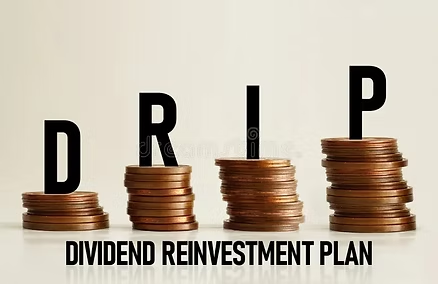
<p><img src="/blog/assets/images/posts/drip.png" alt="Drip" class="align-center" /></p>

<p>Reinvesting dividends means using the money you receive to buy more shares, instead of withdrawing or spending it.</p>

<p>Following the previous example: If you receive $100 in dividends and use that money to buy more shares of the same company (or another), you are reinvesting your dividends.</p>

<p>Many platforms even offer automated plans called DRIPs (Dividend Reinvestment Plans), where dividends are automatically reinvested without you having to do anything.</p>

<h3 id="the-key-idea-compound-interest">The key idea: compound interest</h3>

<p>The true power of dividend reinvestment lies in compound interest, a simple yet powerful concept.</p>

<p>Compound interest occurs when:</p>

<ul>
  <li>You invest money.</li>
  <li>That money generates returns.</li>
  <li>You reinvest those returns.</li>
  <li>And in the next period, you earn interest on both your initial investment and the previous returns.</li>
</ul>

<p>In the case of dividends:</p>

<ul>
  <li>Your shares pay dividends.</li>
  <li>You reinvest those dividends.</li>
  <li>Now you have more shares.</li>
  <li>More shares pay more dividends.</li>
</ul>

<p>Those dividends are reinvested again.</p>

<p>This process repeats year after year, creating a snowball effect.</p>

<h3 id="a-practical-long-term-example">A practical long-term example</h3>

<p>Imagine two people: Ana and Luis.</p>

<p>They both invest $10,000 in a portfolio that pays an average annual dividend of 4% and grows moderately over time.</p>

<h4 id="ana-does-not-reinvest-dividends">Ana (does not reinvest dividends)</h4>

<ul>
  <li>She receives $400 each year.</li>
  <li>She spends it or saves it.</li>
  <li>Her initial investment remains at $10,000 (not accounting for price changes).</li>
</ul>

<h4 id="luis-does-reinvest-dividends">Luis (does reinvest dividends)</h4>

<ul>
  <li>He receives dividends every year.</li>
  <li>He uses them to buy more assets.</li>
  <li>He has more shares every year.</li>
</ul>

<p>After 20 or 30 years, the difference between Ana and Luis can be enormous, even if they both started with the same capital and chose the same investments.</p>

<p>The key isn’t just how much you earn per year, but what you do with what you earn.</p>

<h2 id="advantages-of-reinvesting-dividends">Advantages of reinvesting dividends</h2>

<p><img src="/blog/assets/images/posts/reinvesting-dividends.png" alt="Reinvesting Dividends" class="align-center" /></p>

<h3 id="1-accelerated-capital-growth">1. Accelerated capital growth</h3>

<p>The main advantage is that your portfolio grows faster without you having to contribute any more of your own money. Dividends work for you and generate new income.
Over time, a significant portion of your wealth may come not from your initial contributions, but from reinvested dividends.</p>

<h3 id="2-automatic-discipline-for-investing">2. Automatic discipline for investing</h3>

<p>Reinvesting dividends, especially automatically, helps you maintain consistent discipline.</p>

<p>You don’t have to decide every month whether or not to invest. The process happens on its own, avoiding:</p>

<ul>
  <li>Procrastination</li>
  <li>Fear of the market</li>
  <li>Emotional decisions</li>
</ul>

<p>This is especially useful for long-term investors.</p>

<h3 id="3-you-make-better-use-of-the-passage-of-time">3. You make better use of the passage of time</h3>

<p>Dividend reinvestment works best the longer you give it time.</p>

<p>If you’re relatively young or building a portfolio with 10, 20, or 30-year goals, this strategy is entirely to your advantage. Time becomes your greatest ally.</p>

<h3 id="4-reduces-the-impact-of-volatility">4. Reduces the impact of volatility</h3>

<p>When you reinvest dividends, you buy assets both during good times and bad times in the market.</p>

<p>This helps you:</p>

<ul>
  <li>Buy more when prices fall</li>
  <li>Average your purchase cost</li>
  <li>Reduce the risk of buying everything at a bad time</li>
</ul>

<p>It’s a natural way to implement a strategy known as “cost averaging.”</p>

<h3 id="5-you-dont-depend-solely-on-price-increases">5. You don’t depend solely on price increases</h3>

<p>Many investors only think about making money when a stock price rises. But with reinvested dividends, your return isn’t solely dependent on the price.</p>

<p>Even in sideways or slow-growth markets, dividends can continue to generate value.</p>

<h2 id="in-what-type-of-assets-does-this-dividend-reinvestment-strategy-work-best">In what type of assets does this dividend reinvestment strategy work best?</h2>

<p><img src="/blog/assets/images/posts/reinvesment-strategy.png" alt="Reinvestment Strategy" class="align-center" /></p>

<p>Reinvesting dividends is especially useful in:</p>

<h3 id="shares-of-solid-and-mature-companies">Shares of solid and mature companies</h3>

<p>Large companies with stable business models typically pay consistent dividends. Reinvesting these dividends allows you to capitalize on their long-term stability.</p>

<h3 id="dividend-etfs">Dividend ETFs</h3>

<p>There are exchange-traded funds (ETFs) specifically designed to generate dividend income. Reinvesting in these instruments is a very common strategy for building long-term portfolios.</p>

<h3 id="index-funds">Index funds</h3>

<p>Many index funds distribute dividends from the companies that make up the index. Reinvesting these dividends helps maximize the fund’s overall growth.</p>

<h2 id="is-it-always-a-good-idea-to-reinvest-dividends">Is it always a good idea to reinvest dividends?</h2>

<p>Although reinvesting dividends has many advantages, it is not always the best option for everyone and at every stage of life.</p>

<h3 id="cases-where-it-may-not-be-ideal">Cases where it may not be ideal:</h3>

<ul>
  <li>When you’re already in retirement and need a regular income</li>
  <li>If you depend on dividends to cover expenses</li>
  <li>If you have high-interest debt that you should pay off sooner</li>
  <li>If you need short-term liquidity</li>
</ul>

<p>In these cases, receiving dividends in cash may make more sense.</p>

<h2 id="reinvestment-of-dividends-according-to-the-investors-stage">Reinvestment of dividends according to the investor’s stage</h2>

<h3 id="accumulation-stage-start-and-growth">Accumulation stage (start and growth)</h3>

<p>Reinvestment is usually the best option here. The goal is to grow capital as much as possible.</p>

<h3 id="transition-phase">Transition phase</h3>

<p>Some people reinvest part of it and use another part as income. It’s a middle ground.</p>

<h3 id="retirement-stage">Retirement stage</h3>

<p>Many investors stop reinvesting and use dividends as a source of regular income.</p>

<p>This strategy can change over time, and that’s perfectly normal.</p>

<h2 id="tax-aspect-something-to-keep-in-mind">Tax aspect: something to keep in mind</h2>

<p><img src="/blog/assets/images/posts/tax-aspects.png" alt="Tax Aspects" class="align-center" /></p>

<p>Even if you reinvest dividends, in many countries dividends are still taxed when received, even if you don’t withdraw them.</p>

<p>This doesn’t mean the strategy is invalid, but it is important to:</p>

<ul>
  <li>Know your country’s tax rules</li>
  <li>Consider accounts with tax benefits, if available</li>
  <li>Don’t assume that reinvesting automatically avoids taxes</li>
</ul>

<h2 id="common-mistakes-when-reinvesting-dividends">Common mistakes when reinvesting dividends</h2>

<h3 id="thinking-only-about-the-dividend-and-not-about-the-company">Thinking only about the dividend and not about the company</h3>

<p>A high dividend isn’t always a good sign. What matters is the quality of the business and its ability to sustain those payments over time.</p>

<h3 id="reinvest-without-reviewing-the-portfolio">Reinvest without reviewing the portfolio</h3>

<p>Although reinvestment can be automatic, it’s advisable to periodically review whether your portfolio is still aligned with your goals.</p>

<h3 id="ignoring-diversification">Ignoring diversification</h3>

<p>Always reinvesting in the same asset can increase risk. Sometimes it’s wise to use dividends to balance your portfolio.</p>

<h2 id="reinvestment-as-a-silent-but-powerful-strategy">Reinvestment as a silent but powerful strategy</h2>

<p>Reinvesting dividends isn’t usually flashy. It doesn’t generate headlines or promise quick profits. But its power lies in consistency and long-term planning.</p>

<p>Many successful investors built their wealth not through big bets, but through simple decisions repeated over many years.</p>

<h2 id="conclusion">Conclusion</h2>

<p>The dividend reinvestment strategy is a key tool for those building portfolios with a long-term perspective. It allows you to take advantage of compound interest, maintain discipline, reduce the impact of volatility, and grow your capital steadily.</p>

<p>It’s not a magic bullet or an instant fix, but it is one of the most solid and time-tested strategies. For many investors, especially in the accumulation phase, reinvesting dividends can make the difference between a portfolio that grows slowly and one that strengthens year after year.</p>

<p>Ultimately, investing isn’t just about choosing good assets, but about what you do with the returns those assets generate. And that’s where dividend reinvestment plays a fundamental role.</p>]]></content><author><name>Stockerowl Team</name></author><category term="en" /><category term="Financial Education" /><summary type="html"><![CDATA[When someone starts investing, one of the first questions that usually arises is: what do I do with the dividends I receive? Do I spend them, save them, or reinvest them? While there’s no single right answer for every situation, dividend reinvestment is one of the most powerful and underrated strategies for building long-term wealth, especially for those constructing a portfolio with a long-term perspective.]]></summary></entry><entry xml:lang="es"><title type="html">Estrategia de reinversión de dividendos: ventajas a largo plazo para constructores de portafolios</title><link href="https://stockerowl.com/blog/es/dividend-reinvestment-strategy-long-term-advantages-portfolio-builders/" rel="alternate" type="text/html" title="Estrategia de reinversión de dividendos: ventajas a largo plazo para constructores de portafolios" /><published>2026-01-21T10:00:00+00:00</published><updated>2026-01-21T10:00:00+00:00</updated><id>https://stockerowl.com/blog/es/estrategia-de-reinversion-de-dividendos-ventajas-a-largo-plazo-para-constructores-de-portafolios</id><content type="html" xml:base="https://stockerowl.com/blog/es/dividend-reinvestment-strategy-long-term-advantages-portfolio-builders/"><![CDATA[<p>Cuando alguien comienza a invertir, una de las primeras preguntas que suele surgir es: ¿qué hago con los dividendos que recibo? ¿Los gasto, los ahorro o los reinvierto? Si bien no hay una única respuesta correcta para cada situación, la reinversión de dividendos es una de las estrategias más poderosas y subestimadas para construir riqueza a largo plazo, especialmente para aquellos que construyen una cartera con una perspectiva a largo plazo.</p>

<!--more-->

<p>Este artículo está diseñado para personas no técnicas que quieren entender de forma clara y práctica qué es la reinversión de dividendos, cómo funciona, por qué puede marcar una gran diferencia con el tiempo y cuándo es recomendable. No necesitas conocimientos financieros avanzados para seguirlo: iremos paso a paso.</p>

<h2 id="qué-son-los-dividendos">¿Qué son los dividendos?</h2>

<p><img src="/blog/assets/images/posts/dividends-share.png" alt="Dividend Share" class="align-center" /></p>

<p>Antes de hablar de la reinversión, empecemos con lo básico.</p>

<p>Cuando compras acciones de una empresa, te conviertes en accionista, lo que significa que eres dueño de una pequeña parte de esa empresa. Algunas empresas, especialmente las más grandes y estables, distribuyen una parte de sus ganancias a los accionistas. A esta distribución se le llama dividendo.</p>

<p>Ejemplo simple: Si posees acciones de una empresa que paga dividendos y esta decide distribuir $1 por acción anualmente, y tú posees 100 acciones, recibirás $100 en dividendos.</p>

<p>Ese dinero llega a tu cuenta de inversión en efectivo. A partir de ahí, tú decides qué hacer con él.</p>

<h2 id="qué-significa-reinvertir-dividendos">¿Qué significa reinvertir dividendos?</h2>

<p><img src="/blog/assets/images/posts/drip.png" alt="Drip" class="align-center" /></p>

<p>Reinvertir dividendos significa usar el dinero que recibes para comprar más acciones, en lugar de retirarlo o gastarlo.</p>

<p>Siguiendo el ejemplo anterior: Si recibes $100 en dividendos y usas ese dinero para comprar más acciones de la misma empresa (u otra), estás reinvirtiendo tus dividendos.</p>

<p>Muchas plataformas incluso ofrecen planes automatizados llamados DRIPs (Planes de Reinversión de Dividendos, por sus siglas en inglés), donde los dividendos se reinvierten automáticamente sin que tengas que hacer nada.</p>

<h3 id="la-idea-clave-el-interés-compuesto">La idea clave: el interés compuesto</h3>

<p>El verdadero poder de la reinversión de dividendos radica en el interés compuesto, un concepto simple pero poderoso.</p>

<p>El interés compuesto ocurre cuando:</p>

<ul>
  <li>Inviertes dinero.</li>
  <li>Ese dinero genera rendimientos.</li>
  <li>Reinviertes esos rendimientos.</li>
  <li>Y en el siguiente período, ganas intereses tanto sobre tu inversión inicial como sobre los rendimientos anteriores.</li>
</ul>

<p>En el caso de los dividendos:</p>

<ul>
  <li>Tus acciones pagan dividendos.</li>
  <li>Reinviertes esos dividendos.</li>
  <li>Ahora tienes más acciones.</li>
  <li>Más acciones pagan más dividendos.</li>
</ul>

<p>Esos dividendos se reinvierten nuevamente.</p>

<p>Este proceso se repite año tras año, creando un efecto de bola de nieve.</p>

<h3 id="un-ejemplo-práctico-a-largo-plazo">Un ejemplo práctico a largo plazo</h3>

<p>Imagina a dos personas: Ana y Luis.</p>

<p>Ambos invierten $10,000 en un portafolio que paga un dividendo anual promedio del 4% y crece moderadamente con el tiempo.</p>

<h4 id="ana-no-reinvierte-dividendos">Ana (no reinvierte dividendos)</h4>

<ul>
  <li>Recibe $400 cada año.</li>
  <li>Los gasta o los ahorra.</li>
  <li>Su inversión inicial permanece en $10,000 (sin tener en cuenta los cambios de precio).</li>
</ul>

<h4 id="luis-sí-reinvierte-dividendos">Luis (sí reinvierte dividendos)</h4>

<ul>
  <li>Recibe dividendos cada año.</li>
  <li>Los usa para comprar más activos.</li>
  <li>Tiene más acciones cada año.</li>
</ul>

<p>Después de 20 o 30 años, la diferencia entre Ana y Luis puede ser enorme, incluso si ambos comenzaron con el mismo capital y eligieron las mismas inversiones.</p>

<p>La clave no es solo cuánto ganas por año, sino qué haces con lo que ganas.</p>

<h2 id="ventajas-de-reinvertir-dividendos">Ventajas de reinvertir dividendos</h2>

<p><img src="/blog/assets/images/posts/reinvesting-dividends.png" alt="Reinvesting Dividends" class="align-center" /></p>

<h3 id="1-crecimiento-acelerado-del-capital">1. Crecimiento acelerado del capital</h3>

<p>La principal ventaja es que tu portafolio crece más rápido sin que tengas que aportar más de tu propio dinero. Los dividendos trabajan para ti y generan nuevos ingresos.
Con el tiempo, una parte significativa de tu riqueza puede provenir no de tus aportaciones iniciales, sino de los dividendos reinvertidos.</p>

<h3 id="2-disciplina-automática-para-invertir">2. Disciplina automática para invertir</h3>

<p>Reinvertir dividendos, especialmente de forma automática, te ayuda a mantener una disciplina constante.</p>

<p>No tienes que decidir cada mes si invertir o no. El proceso ocurre por sí solo, evitando:</p>

<ul>
  <li>La procrastinación</li>
  <li>El miedo al mercado</li>
  <li>Las decisiones emocionales</li>
</ul>

<p>Esto es especialmente útil para los inversores a largo plazo.</p>

<h3 id="3-aprovechas-mejor-el-paso-del-tiempo">3. Aprovechas mejor el paso del tiempo</h3>

<p>La reinversión de dividendos funciona mejor cuanto más tiempo le das.</p>

<p>Si eres relativamente joven o estás construyendo un portafolio con objetivos a 10, 20 o 30 años, esta estrategia juega totalmente a tu favor. El tiempo se convierte en tu mayor aliado.</p>

<h3 id="4-reduce-el-impacto-de-la-volatilidad">4. Reduce el impacto de la volatilidad</h3>

<p>Cuando reinviertes dividendos, compras activos tanto en los buenos como en los malos momentos del mercado.</p>

<p>Esto te ayuda a:</p>

<ul>
  <li>Comprar más cuando los precios caen</li>
  <li>Promediar tu costo de compra</li>
  <li>Reducir el riesgo de comprar todo en un mal momento</li>
</ul>

<p>Es una forma natural de implementar una estrategia conocida como “promedio de costo” (cost averaging).</p>

<h3 id="5-no-dependes-únicamente-del-aumento-de-precios">5. No dependes únicamente del aumento de precios</h3>

<p>Muchos inversores solo piensan en ganar dinero cuando el precio de una acción sube. Pero con los dividendos reinvertidos, tu rendimiento no depende únicamente del precio.</p>

<p>Incluso en mercados laterales o de crecimiento lento, los dividendos pueden seguir generando valor.</p>

<h2 id="en-qué-tipo-de-activos-funciona-mejor-esta-estrategia-de-reinversión-de-dividendos">¿En qué tipo de activos funciona mejor esta estrategia de reinversión de dividendos?</h2>

<p><img src="/blog/assets/images/posts/reinvesment-strategy.png" alt="Reinvestment Strategy" class="align-center" /></p>

<p>La reinversión de dividendos es especialmente útil en:</p>

<h3 id="acciones-de-empresas-sólidas-y-maduras">Acciones de empresas sólidas y maduras</h3>

<p>Las grandes empresas con modelos de negocio estables suelen pagar dividendos constantes. Reinvertir estos dividendos te permite capitalizar su estabilidad a largo plazo.</p>

<h3 id="etf-de-dividendos">ETF de dividendos</h3>

<p>Existen fondos cotizados en bolsa (ETF) diseñados específicamente para generar ingresos por dividendos. Reinvertir en estos instrumentos es una estrategia muy común para construir portafolios a largo plazo.</p>

<h3 id="fondos-indexados">Fondos indexados</h3>

<p>Muchos fondos indexados distribuyen dividendos de las empresas que componen el índice. Reinvertir estos dividendos ayuda a maximizar el crecimiento general del fondo.</p>

<h2 id="es-siempre-una-buena-idea-reinvertir-los-dividendos">¿Es siempre una buena idea reinvertir los dividendos?</h2>

<p>Aunque reinvertir dividendos tiene muchas ventajas, no siempre es la mejor opción para todos ni en todas las etapas de la vida.</p>

<h3 id="casos-en-los-que-puede-no-ser-ideal">Casos en los que puede no ser ideal:</h3>

<ul>
  <li>Cuando ya estás jubilado y necesitas ingresos regulares</li>
  <li>Si dependes de los dividendos para cubrir gastos</li>
  <li>Si tienes deudas con intereses altos que deberías pagar antes</li>
  <li>Si necesitas liquidez a corto plazo</li>
</ul>

<p>En estos casos, recibir los dividendos en efectivo puede tener más sentido.</p>

<h2 id="reinversión-de-dividendos-según-la-etapa-del-inversor">Reinversión de dividendos según la etapa del inversor</h2>

<h3 id="etapa-de-acumulación-inicio-y-crecimiento">Etapa de acumulación (inicio y crecimiento)</h3>

<p>La reinversión suele ser la mejor opción aquí. El objetivo es hacer crecer el capital lo máximo posible.</p>

<h3 id="fase-de-transición">Fase de transición</h3>

<p>Algunas personas reinvierten una parte y usan otra como ingresos. Es un punto medio.</p>

<h3 id="etapa-de-jubilación">Etapa de jubilación</h3>

<p>Muchos inversores dejan de reinvertir y usan los dividendos como fuente de ingresos regulares.</p>

<p>Esta estrategia puede cambiar con el tiempo, y eso es perfectamente normal.</p>

<h2 id="aspecto-fiscal-algo-a-tener-en-cuenta">Aspecto fiscal: algo a tener en cuenta</h2>

<p><img src="/blog/assets/images/posts/tax-aspects.png" alt="Tax Aspects" class="align-center" /></p>

<p>Incluso si reinviertes los dividendos, en muchos países los dividendos siguen estando sujetos a impuestos al recibirlos, incluso si no los retiras.</p>

<p>Esto no significa que la estrategia no sea válida, pero es importante:</p>

<ul>
  <li>Conocer las normas fiscales de tu país</li>
  <li>Considerar cuentas con beneficios fiscales, si están disponibles</li>
  <li>No asumir que reinvertir evita automáticamente los impuestos</li>
</ul>

<h2 id="errores-comunes-al-reinvertir-dividendos">Errores comunes al reinvertir dividendos</h2>

<h3 id="pensar-solo-en-el-dividendo-y-no-en-la-empresa">Pensar solo en el dividendo y no en la empresa</h3>

<p>Un dividendo alto no siempre es una buena señal. Lo que importa es la calidad del negocio y su capacidad para sostener esos pagos a lo largo del tiempo.</p>

<h3 id="reinvertir-sin-revisar-el-portafolio">Reinvertir sin revisar el portafolio</h3>

<p>Aunque la reinversión puede ser automática, es recomendable revisar periódicamente si tu portafolio sigue alineado con tus objetivos.</p>

<h3 id="ignorar-la-diversificación">Ignorar la diversificación</h3>

<p>Reinvertir siempre en el mismo activo puede aumentar el riesgo. A veces es prudente usar los dividendos para reequilibrar tu portafolio.</p>

<h2 id="la-reinversión-como-una-estrategia-silenciosa-pero-poderosa">La reinversión como una estrategia silenciosa pero poderosa</h2>

<p>Reinvertir dividendos no suele ser llamativo. No genera grandes titulares ni promete ganancias rápidas. Pero su poder reside en la constancia y la planificación a largo plazo.</p>

<p>Muchos inversores exitosos construyeron su riqueza no a través de grandes apuestas, sino mediante decisiones simples repetidas durante muchos años.</p>

<h2 id="conclusión">Conclusión</h2>

<p>La estrategia de reinversión de dividendos es una herramienta clave para quienes construyen portafolios con una perspectiva a largo plazo. Te permite aprovechar el interés compuesto, mantener la disciplina, reducir el impacto de la volatilidad y hacer crecer tu capital de manera constante.</p>

<p>No es una fórmula mágica ni una solución instantánea, pero es una de las estrategias más sólidas y probadas por el tiempo. Para muchos inversores, especialmente en la fase de acumulación, reinvertir los dividendos puede marcar la diferencia entre una cartera que crece lentamente y una que se fortalece año tras año.</p>

<p>En última instancia, invertir no se trata solo de elegir buenos activos, sino de lo que haces con los rendimientos que generan esos activos. Y es ahí donde la reinversión de dividendos juega un papel fundamental.</p>]]></content><author><name>Stockerowl Team</name></author><category term="es" /><category term="Educacion Financiera" /><summary type="html"><![CDATA[Cuando alguien comienza a invertir, una de las primeras preguntas que suele surgir es: ¿qué hago con los dividendos que recibo? ¿Los gasto, los ahorro o los reinvierto? Si bien no hay una única respuesta correcta para cada situación, la reinversión de dividendos es una de las estrategias más poderosas y subestimadas para construir riqueza a largo plazo, especialmente para aquellos que construyen una cartera con una perspectiva a largo plazo.]]></summary></entry><entry xml:lang="en"><title type="html">Comparison of startups vs established companies: risk and reward</title><link href="https://stockerowl.com/blog/en/comparison-startups-vs-established-companies-risk-reward/" rel="alternate" type="text/html" title="Comparison of startups vs established companies: risk and reward" /><published>2025-11-26T10:00:00+00:00</published><updated>2025-11-26T10:00:00+00:00</updated><id>https://stockerowl.com/blog/en/comparison-startups-vs-established-companies-risk-reward</id><content type="html" xml:base="https://stockerowl.com/blog/en/comparison-startups-vs-established-companies-risk-reward/"><![CDATA[<p>When we think about investing, a question that never gets old often arises: Is it better to invest in new, high-growth companies or in large, established companies?</p>

<p>The reality is that both options have advantages and disadvantages. There’s no single answer, because every investor has a different profile, different risk tolerances, and objectives that can range from “growing wealth as quickly as possible” to “protecting what I already have.”</p>

<!--more-->

<p>In this article, we’ll compare, clearly and simply, what you can expect from each type of company: emerging companies (startups, young or disruptive companies) and established companies (large, stable companies with years in the market). The goal is for you to understand, in a practical way, the balance between risk and reward, and to be able to consider which profile best suits your investment style.</p>

<h2 id="1-what-is-a-startup-company">1. What is a startup company?</h2>

<p><img src="/blog/assets/images/posts/startup.png" alt="Startup" class="align-center" /></p>

<p>A startup is a company in the early stages of growth. It may be experimenting with new business models, technologies, or ways to solve a problem. These are the companies that “show great promise” but haven’t yet demonstrated their ability to sustain their results for many years.</p>

<p><strong>Typical characteristics:</strong></p>

<ul>
  <li>Rapid growth or the potential for very rapid growth</li>
  <li>Limited financial history</li>
  <li>Novel products or services</li>
  <li>Unproven business models</li>
  <li>High sensitivity to economic changes</li>
</ul>

<p>These are companies that, if successful, can multiply the value of the investment in a short time. But they can also disappear or lose value rapidly if something goes wrong.</p>

<h2 id="2-what-is-an-established-company">2. What is an established company?</h2>

<p><img src="/blog/assets/images/posts/established-company.png" alt="Established Company" class="align-center" /></p>

<p>A well-established company is a large, stable company with a proven business model. These are brands that most people recognize, that have weathered several crises, and have demonstrated their ability to continue operating even in challenging environments.</p>

<p><strong>Typical characteristics:</strong></p>

<ul>
  <li>More predictable revenue and profits</li>
  <li>Long financial history</li>
  <li>Recognized brand</li>
  <li>Global operations or dominant position in their sector</li>
  <li>Lower volatility</li>
</ul>

<p>These companies are often not expected to experience spectacular growth, but rather to continue generating stable revenue and profits.</p>

<h2 id="3-risk-how-dangerous-is-it-to-invest-in-each-one">3. Risk: How dangerous is it to invest in each one?</h2>

<p><strong>Startups: High Risk</strong></p>

<p>Investing in a startup can be like riding a roller coaster. Prices can rise quickly with good news, but they can also fall just as fast if the market reacts negatively.</p>

<p><strong>Main Risks:</strong></p>

<ul>
  <li>High volatility: The price of their shares can fluctuate significantly in a single week.</li>
  <li>Limited historical data: There isn’t enough information to analyze how they perform during times of crisis.</li>
  <li>Dependence on external funding: Many startups spend more than they earn. If the money runs out, they can run into trouble.</li>
  <li>Fierce competition: Sometimes the market is saturated with similar companies.</li>
</ul>

<p>But be aware: High risk doesn’t necessarily mean bad; it simply means that things can go very well… or very badly.</p>

<p><strong>Established Companies: Low to Moderate Risk</strong></p>

<p>These companies tend to be more predictable. They have consistent revenue, a solid customer base, and a strong competitive position.</p>

<p><strong>Key Advantages:</strong></p>

<ul>
  <li>Lower volatility</li>
  <li>Proven track record in economic crises</li>
  <li>Stable and consistent revenue</li>
  <li>Clear strategies and solid models</li>
</ul>

<p>However, an established company is not synonymous with “risk-free.” It simply means that the range of returns is usually less extreme.</p>

<h2 id="4-reward-how-big-is-the-earning-potential">4. Reward: How big is the earning potential?</h2>

<p><strong>Startups: High Rewards</strong></p>

<p>They are a favorite among those looking to multiply their investment. When a startup succeeds, it sometimes experiences explosive growth, especially in sectors like technology, artificial intelligence, clean energy, or biotechnology.</p>

<p><strong>Examples of potential rewards:</strong></p>

<ul>
  <li>Companies that grow 300%, 500%, or even more in 5 years.</li>
  <li>Disruptive changes that create entirely new markets.</li>
  <li>Competitive advantages based on innovation and speed.</li>
</ul>

<p>The key here is that the potential is enormous, but nothing is guaranteed.</p>

<p><strong>Established Companies: Moderate but Stable Rewards</strong></p>

<p>They typically offer slower, but steady, growth. It’s rare for an established company to triple its value in a short time, but it is common for them to:</p>

<ul>
  <li>Generate dividends</li>
  <li>Repurchase shares</li>
  <li>Increase their value year after year</li>
  <li>Weather crises without collapsing</li>
</ul>

<p>In short: less excitement, more stability.</p>

<h2 id="5-which-is-better-startups-vs-established-companies-according-to-the-investor-profile">5. Which is better (startups vs established companies) according to the investor profile?</h2>

<p><strong>If you like risk and have a long-term horizon:</strong></p>

<p>Startups can be attractive. They’re ideal if:</p>

<ul>
  <li>You don’t need the money in the short term</li>
  <li>You’re tolerant of sharp declines</li>
  <li>You’re willing to diversify (because not all of them will survive)</li>
  <li>You’re excited about innovation</li>
</ul>

<p>The key here is usually to balance many small positions instead of putting all your eggs in one basket.</p>

<p><strong>If you prefer stability and avoiding unnecessary scares:</strong></p>

<p>Established companies are better for you. They’re ideal if:</p>

<ul>
  <li>You’re looking to protect your capital</li>
  <li>You’re interested in receiving dividends</li>
  <li>You want less volatility</li>
  <li>You’re more concerned with the long term than explosive growth</li>
</ul>

<p>Many investors combine these companies with bonds or funds for even greater stability.</p>

<h2 id="6-what-about-a-mixed-portfolio">6. What about a mixed portfolio?</h2>

<p>Most successful investors combine both types. A balanced portfolio might look like this:</p>

<ul>
  <li><strong>Established companies</strong> → for stability</li>
  <li><strong>Emerging companies</strong> → for growth</li>
</ul>

<p>This allows you to take advantage of opportunities without a drop in an emerging company wiping out your entire portfolio.</p>

<p>Furthermore, mixing large and small companies allows you to strengthen your strategy with benefits such as:</p>

<ul>
  <li>Diversification</li>
  <li>Exposure to different economic cycles</li>
  <li>Different types of risk</li>
  <li>Exposure to both innovation and stability</li>
</ul>

<h2 id="7-key-factors-when-evaluating-any-company">7. Key factors when evaluating any company</h2>

<p>Regardless of whether it’s an emerging or established company, it’s important to review:</p>

<ul>
  <li>Revenue and earnings</li>
  <li>Debt structure</li>
  <li>Cash flow (actual cash inflows and outflows)</li>
  <li>Competitive advantage</li>
  <li>Industry risks</li>
  <li>Management team</li>
  <li>Growth prospects</li>
</ul>

<p>A startup may be promising, but if it’s burning through cash uncontrollably, that’s a red flag. An established company may appear stable, but if it’s losing market share year after year, that’s also a red flag.</p>

<h2 id="8-which-option-has-historically-been-more-profitable">8. Which option has historically been more profitable?</h2>

<p>Over time, successful startups tend to offer higher returns than established companies. However, their failure rate is very high.</p>

<p>On the other hand, established companies tend to offer more moderate returns, but with much lower risk.</p>

<p>This means that the “average” return of an emerging market portfolio can be very good… but only if you choose wisely and diversify.</p>

<h2 id="9-conclusion-risk-vs-reward">9. Conclusion: risk vs reward</h2>

<p>No type of company is inherently “better.” The choice depends on your personal goals.</p>

<ul>
  <li><strong>Startups</strong> → higher risk, higher profit potential, greater uncertainty.</li>
  <li><strong>Established companies</strong> → lower risk, moderate growth, proven stability.</li>
</ul>

<p>In an ideal world, a well-structured portfolio blends both to balance the best of each.</p>

<p>The key is to know yourself as an investor, understand your goals, and make decisions aligned with your risk tolerance. If you do that, choosing between startups vs established companies will no longer be a gamble, but a strategy.</p>]]></content><author><name>Stockerowl Team</name></author><category term="en" /><category term="Financial Education" /><summary type="html"><![CDATA[When we think about investing, a question that never gets old often arises: Is it better to invest in new, high-growth companies or in large, established companies?]]></summary></entry><entry xml:lang="es"><title type="html">Comparación de startups vs empresas establecidas: riesgo y recompensa</title><link href="https://stockerowl.com/blog/es/comparison-startups-vs-established-companies-risk-reward/" rel="alternate" type="text/html" title="Comparación de startups vs empresas establecidas: riesgo y recompensa" /><published>2025-11-26T10:00:00+00:00</published><updated>2025-11-26T10:00:00+00:00</updated><id>https://stockerowl.com/blog/es/comparacion-startups-vs-empresas-establecidas-riesgo-recompensa</id><content type="html" xml:base="https://stockerowl.com/blog/es/comparison-startups-vs-established-companies-risk-reward/"><![CDATA[<p>Cuando pensamos en invertir, a menudo surge una pregunta que nunca pasa de moda: ¿Es mejor invertir en empresas nuevas de alto crecimiento o en empresas grandes y consolidadas?</p>

<p>La realidad es que ambas opciones tienen ventajas y desventajas. No hay una respuesta única, porque cada inversor tiene un perfil diferente, diferentes tolerancias al riesgo y objetivos que pueden ir desde “hacer crecer el patrimonio lo más rápido posible” hasta “proteger lo que ya tengo”.</p>

<!--more-->

<p>En este artículo, compararemos, de forma clara y sencilla, qué puedes esperar de cada tipo de empresa: empresas emergentes (startups, empresas jóvenes o disruptivas) y empresas establecidas (empresas grandes, estables y con años en el mercado). El objetivo es que entiendas, de manera práctica, el equilibrio entre riesgo y recompensa, y que puedas considerar qué perfil se adapta mejor a tu estilo de inversión.</p>

<h2 id="1-qué-es-una-startup">1. ¿Qué es una startup?</h2>

<p><img src="/blog/assets/images/posts/startup.png" alt="Startup" class="align-center" /></p>

<p>Una startup es una empresa en sus primeras etapas de crecimiento. Puede estar experimentando con nuevos modelos de negocio, tecnologías o formas de resolver un problema. Son las empresas que “prometen mucho” pero aún no han demostrado su capacidad para sostener sus resultados durante muchos años.</p>

<p><strong>Características típicas:</strong></p>

<ul>
  <li>Crecimiento rápido o potencial de crecimiento muy rápido</li>
  <li>Historial financiero limitado</li>
  <li>Productos o servicios novedosos</li>
  <li>Modelos de negocio no probados</li>
  <li>Alta sensibilidad a los cambios económicos</li>
</ul>

<p>Estas son empresas que, si tienen éxito, pueden multiplicar el valor de la inversión en poco tiempo. Pero también pueden desaparecer o perder valor rápidamente si algo sale mal.</p>

<h2 id="2-qué-es-una-empresa-establecida">2. ¿Qué es una empresa establecida?</h2>

<p><img src="/blog/assets/images/posts/established-company.png" alt="Established Company" class="align-center" /></p>

<p>Una empresa bien establecida es una compañía grande y estable con un modelo de negocio probado. Son marcas que la mayoría de la gente reconoce, que han superado varias crisis y han demostrado su capacidad para seguir operando incluso en entornos desafiantes.</p>

<p><strong>Características típicas:</strong></p>

<ul>
  <li>Ingresos y beneficios más predecibles</li>
  <li>Larga historia financiera</li>
  <li>Marca reconocida</li>
  <li>Operaciones globales o posición dominante en su sector</li>
  <li>Menor volatilidad</li>
</ul>

<p>A menudo, no se espera que estas empresas experimenten un crecimiento espectacular, sino que continúen generando ingresos y beneficios estables.</p>

<h2 id="3-riesgo-qué-tan-peligroso-es-invertir-en-cada-una">3. Riesgo: ¿Qué tan peligroso es invertir en cada una?</h2>

<p><strong>Startups: Alto Riesgo</strong></p>

<p>Invertir en una startup puede ser como subirse a una montaña rusa. Los precios pueden subir rápidamente con buenas noticias, pero también pueden caer igual de rápido si el mercado reacciona negativamente.</p>

<p><strong>Principales Riesgos:</strong></p>

<ul>
  <li>Alta volatilidad: El precio de sus acciones puede fluctuar significativamente en una sola semana.</li>
  <li>Datos históricos limitados: No hay suficiente información para analizar cómo se desempeñan durante tiempos de crisis.</li>
  <li>Dependencia de financiamiento externo: Muchas startups gastan más de lo que ganan. Si el dinero se acaba, pueden tener problemas.</li>
  <li>Competencia feroz: A veces el mercado está saturado de empresas similares.</li>
</ul>

<p>Pero ten en cuenta: Alto riesgo no significa necesariamente algo malo; simplemente significa que las cosas pueden salir muy bien… o muy mal.</p>

<p><strong>Empresas Establecidas: Riesgo Bajo a Moderado</strong></p>

<p>Estas empresas tienden a ser más predecibles. Tienen ingresos constantes, una base de clientes sólida y una posición competitiva fuerte.</p>

<p><strong>Ventajas Clave:</strong></p>

<ul>
  <li>Menor volatilidad</li>
  <li>Historial comprobado en crisis económicas</li>
  <li>Ingresos estables y consistentes</li>
  <li>Estrategias claras y modelos sólidos</li>
</ul>

<p>Sin embargo, una empresa establecida no es sinónimo de “libre de riesgo”. Simplemente significa que el rango de retornos suele ser menos extremo.</p>

<h2 id="4-recompensa-qué-tan-grande-es-el-potencial-de-ganancias">4. Recompensa: ¿Qué tan grande es el potencial de ganancias?</h2>

<p><strong>Startups: Altas Recompensas</strong></p>

<p>Son las favoritas de quienes buscan multiplicar su inversión. Cuando una startup tiene éxito, a veces experimenta un crecimiento explosivo, especialmente en sectores como tecnología, inteligencia artificial, energía limpia o biotecnología.</p>

<p><strong>Ejemplos de recompensas potenciales:</strong></p>

<ul>
  <li>Empresas que crecen un 300%, 500% o incluso más en 5 años.</li>
  <li>Cambios disruptivos que crean mercados completamente nuevos.</li>
  <li>Ventajas competitivas basadas en la innovación y la velocidad.</li>
</ul>

<p>La clave aquí es que el potencial es enorme, pero nada está garantizado.</p>

<p><strong>Empresas Establecidas: Recompensas Moderadas pero Estables</strong></p>

<p>Típicamente ofrecen un crecimiento más lento, pero constante. Es raro que una empresa establecida triplique su valor en poco tiempo, pero es común que:</p>

<ul>
  <li>Generen dividendos</li>
  <li>Recompren acciones</li>
  <li>Aumenten su valor año tras año</li>
  <li>Superen crisis sin colapsar</li>
</ul>

<p>En resumen: menos emoción, más estabilidad.</p>

<h2 id="5-qué-es-mejor-startups-vs-empresas-establecidas-según-el-perfil-del-inversor">5. ¿Qué es mejor (startups vs empresas establecidas) según el perfil del inversor?</h2>

<p><strong>Si te gusta el riesgo y tienes un horizonte a largo plazo:</strong></p>

<p>Las startups pueden ser atractivas. Son ideales si:</p>

<ul>
  <li>No necesitas el dinero a corto plazo</li>
  <li>Eres tolerante a las caídas bruscas</li>
  <li>Estás dispuesto a diversificar (porque no todas sobrevivirán)</li>
  <li>Te entusiasma la innovación</li>
</ul>

<p>La clave aquí suele ser equilibrar muchas posiciones pequeñas en lugar de poner todos los huevos en una misma canasta.</p>

<p><strong>Si prefieres la estabilidad y evitar sustos innecesarios:</strong></p>

<p>Las empresas establecidas son mejores para ti. Son ideales si:</p>

<ul>
  <li>Buscas proteger tu capital</li>
  <li>Te interesa recibir dividendos</li>
  <li>Quieres menos volatilidad</li>
  <li>Te preocupa más el largo plazo que el crecimiento explosivo</li>
</ul>

<p>Muchos inversores combinan estas empresas con bonos o fondos para una estabilidad aún mayor.</p>

<h2 id="6-y-un-portafolio-mixto">6. ¿Y un portafolio mixto?</h2>

<p>La mayoría de los inversores exitosos combinan ambos tipos. Un portafolio equilibrado podría verse así:</p>

<ul>
  <li><strong>Empresas establecidas</strong> → para estabilidad</li>
  <li><strong>Empresas emergentes</strong> → para crecimiento</li>
</ul>

<p>Esto te permite aprovechar las oportunidades sin que una caída en una empresa emergente acabe con todo tu portafolio.</p>

<p>Además, mezclar empresas grandes y pequeñas te permite fortalecer tu estrategia con beneficios como:</p>

<ul>
  <li>Diversificación</li>
  <li>Exposición a diferentes ciclos económicos</li>
  <li>Diferentes tipos de riesgo</li>
  <li>Exposición tanto a la innovación como a la estabilidad</li>
</ul>

<h2 id="7-factores-clave-al-evaluar-cualquier-empresa">7. Factores clave al evaluar cualquier empresa</h2>

<p>Independientemente de si se trata de una empresa emergente o establecida, es importante revisar:</p>

<ul>
  <li>Ingresos y ganancias</li>
  <li>Estructura de la deuda</li>
  <li>Flujo de caja (entradas y salidas de efectivo reales)</li>
  <li>Ventaja competitiva</li>
  <li>Riesgos de la industria</li>
  <li>Equipo directivo</li>
  <li>Perspectivas de crecimiento</li>
</ul>

<p>Una startup puede ser prometedora, pero si está quemando efectivo sin control, es una señal de alerta. Una empresa establecida puede parecer estable, pero si está perdiendo participación de mercado año tras año, también es una señal de alerta.</p>

<h2 id="8-qué-opción-ha-sido-históricamente-más-rentable">8. ¿Qué opción ha sido históricamente más rentable?</h2>

<p>A lo largo del tiempo, las startups exitosas tienden a ofrecer mayores retornos que las empresas establecidas. Sin embargo, su tasa de fracaso es muy alta.</p>

<p>Por otro lado, las empresas establecidas suelen ofrecer retornos más moderados, pero con un riesgo mucho menor.</p>

<p>Esto significa que el retorno “promedio” de una cartera de mercados emergentes puede ser muy bueno… pero solo si eliges sabiamente y diversificas.</p>

<h2 id="9-conclusión-riesgo-vs-recompensa">9. Conclusión: riesgo vs recompensa</h2>

<p>Ningún tipo de empresa es inherentemente “mejor”. La elección depende de tus objetivos personales.</p>

<ul>
  <li><strong>Startups</strong> → mayor riesgo, mayor potencial de ganancias, mayor incertidumbre.</li>
  <li><strong>Empresas establecidas</strong> → menor riesgo, crecimiento moderado, estabilidad comprobada.</li>
</ul>

<p>En un mundo ideal, un portafolio bien estructurado combina ambas para equilibrar lo mejor de cada una.</p>

<p>La clave es conocerte a ti mismo como inversor, entender tus objetivos y tomar decisiones alineadas con tu tolerancia al riesgo. Si haces eso, elegir entre startups vs empresas establecidas ya no será una apuesta, sino una estrategia.</p>]]></content><author><name>Stockerowl Team</name></author><category term="es" /><category term="Educacion Financiera" /><summary type="html"><![CDATA[Cuando pensamos en invertir, a menudo surge una pregunta que nunca pasa de moda: ¿Es mejor invertir en empresas nuevas de alto crecimiento o en empresas grandes y consolidadas?]]></summary></entry><entry xml:lang="en"><title type="html">How to build a balanced portfolio with growth stocks + defensive stocks</title><link href="https://stockerowl.com/blog/en/how-build-balanced-portfolio-with-growth-stocks-defensive-stocks/" rel="alternate" type="text/html" title="How to build a balanced portfolio with growth stocks + defensive stocks" /><published>2025-11-07T10:00:00+00:00</published><updated>2025-11-07T10:00:00+00:00</updated><id>https://stockerowl.com/blog/en/how-build-balanced-portfolio-with-growth-stocks-defensive-stocks</id><content type="html" xml:base="https://stockerowl.com/blog/en/how-build-balanced-portfolio-with-growth-stocks-defensive-stocks/"><![CDATA[<p>Building a solid investment portfolio doesn’t have to be complicated. In fact, one of the simplest and most effective approaches for those looking to grow their money without taking unnecessary risks is to combine growth stocks with defensive stocks.</p>

<p>This mix allows you to take advantage of opportunities when markets rise, without being fully exposed when things get bad.</p>

<p>In this article, I explain, in clear language and without technical jargon, what each type of stock is, what role it plays in your portfolio, and how to combine them intelligently to achieve long-term stability and growth.</p>

<!--more-->

<h2 id="1-what-are-growth-stocks">1. What are growth stocks?</h2>

<p>Growth stocks are companies that, as their name suggests, grow quickly : they increase sales, users, revenue, or new products at a faster rate than the market average.</p>

<p>Classic examples:</p>

<ul>
  <li>Technology companies</li>
  <li>Innovative software companies</li>
  <li>Businesses in emerging industries, such as artificial intelligence or clean energy</li>
</ul>

<p><strong>Why do they attract investors?</strong></p>

<p>Because they have the potential to multiply their value in the future . You invest today hoping that tomorrow they will be worth much more.</p>

<p><strong>The problem?</strong></p>

<p>They are more volatile. That is, their price rises sharply during periods of optimism… and falls sharply when the market becomes nervous. Their biggest risk is that investors “pay a high price” waiting for future results, and if those results are delayed, the stock price can fall.</p>

<p><strong>In summary:</strong></p>

<ul>
  <li><strong>Pros:</strong> High profit potential</li>
  <li><strong>Cons:</strong> high risk, high volatility</li>
</ul>

<h2 id="2-what-are-defensive-actions">2. What are defensive actions?</h2>

<p>Defensive stocks are companies that sell products or services that people will continue to buy no matter what: food, medicine, utilities, basic necessities, etc.</p>

<p>Typical examples:</p>

<ul>
  <li>Supermarkets</li>
  <li>Food producers</li>
  <li>Energy companies</li>
  <li>Healthcare and pharmaceutical companies</li>
  <li>Telecommunications</li>
</ul>

<p>These are actions that don’t depend so much on the economy . Even in a crisis, people continue to buy food, use electricity, and need medicine.</p>

<p>Therefore, these stocks tend to be more stable.</p>

<p><strong>The downside?</strong></p>

<p>They grow less. They don’t usually multiply as quickly.</p>

<p><strong>In summary:</strong></p>

<ul>
  <li><strong>Pros:</strong> stable, defensive, less prone to decline in crises</li>
  <li><strong>Cons:</strong> lower growth potential</li>
</ul>

<h2 id="3-why-combine-them">3. Why combine them?</h2>

<p>Herein lies the magic of a balanced portfolio.</p>

<p>A common mistake is choosing only growth stocks (too risky) or only defensive stocks (too conservative). But a well-designed portfolio seeks balance .</p>

<p>Combining growth and defense helps you to:</p>

<ol>
  <li><strong>Reducing volatility</strong>: when growth stocks fall, defensive stocks cushion the blow.</li>
  <li><strong>Taking advantage of economic cycles</strong>: when the economy is doing well, your growth positions rise; when it’s doing poorly, your defensive positions protect you.</li>
  <li><strong>Building stable long-term wealth</strong>: you grow without suffering so much in difficult times.</li>
  <li><strong>Avoid emotional decisions</strong>: a balanced portfolio prevents you from panicking.</li>
</ol>

<p>A smart portfolio doesn’t just bet on “future winners,” nor does it take too many precautions. It’s a flexible mix.</p>

<h2 id="4-how-do-i-know-what-percentage-to-use">4. How do I know what percentage to use?</h2>

<p><img src="/blog/assets/images/posts/portfolio-prepared.png" alt="Portfolio Prepared" class="align-center" /></p>

<p>There is no magic formula here, but there are simple guidelines based on your risk tolerance.</p>

<p><strong>Option 1: Conservative Profile</strong></p>

<ul>
  <li>60% defensive actions</li>
  <li>40% growth stocks</li>
</ul>

<p>Ideal for:</p>

<ul>
  <li>People who don’t want to see big falls</li>
  <li>Those who prioritize stability</li>
  <li>Those who invest for short or medium-term goals</li>
</ul>

<p><strong>Option 2: Balanced Profile</strong></p>

<ul>
  <li>50% growth, 50% defensive</li>
</ul>

<p>Ideal for:</p>

<ul>
  <li>Those who want to grow their money without being reckless</li>
  <li>Those looking for a stable but profitable portfolio</li>
</ul>

<p><strong>Option 3: Aggressive Profile</strong></p>

<ul>
  <li>65–75% growth</li>
  <li>25–35% defensive</li>
</ul>

<p>Ideal for:</p>

<ul>
  <li>Investors with a horizon of 5 years or more</li>
  <li>People who are not worried about volatility</li>
  <li>Those seeking greater earning potential</li>
</ul>

<p>The key is to choose the blend that allows you to sleep peacefully.</p>

<h2 id="5-how-to-choose-good-growth-stocks">5. How to choose good growth stocks</h2>

<p>You don’t need to be an expert. You can focus on simple things:</p>

<p><strong>1. Companies that continue to grow year after year</strong></p>

<p>More users, more sales, more market.</p>

<p>If a company is truly growing, its stock usually reflects that.</p>

<p><strong>2. They should have a strong product that is difficult to replace.</strong></p>

<p>Examples: giant social platforms, indispensable software, leading brands.</p>

<p><strong>3. They should invest in innovation</strong></p>

<p>Companies that invest in the future tend to remain competitive.</p>

<p><strong>4. That they have clear advantages over their competitors</strong></p>

<p>Technology, brand, costs, patents, user community.</p>

<p>You don’t have to guess who will be “the next big thing.” Just choose large, solid companies with a proven track record of growth.</p>

<h2 id="6-how-to-choose-defensive-actions-that-actually-protect">6. How to choose defensive actions that actually protect</h2>

<p><img src="/blog/assets/images/posts/stock-types.png" alt="Stock Types" class="align-center" /></p>

<p>What’s important here is stability :</p>

<p><strong>1. Companies with stable sales in crisis</strong></p>

<p>Food, health, energy, basic services.</p>

<p><strong>2. Companies with less debt</strong></p>

<p>It helps maintain stability in tough times.</p>

<p><strong>3. Products that people always need</strong></p>

<p>They are not dependent on fashion or the economic cycle.</p>

<p><strong>4. Constant dividends (optional)</strong></p>

<p>Many defensive strategies pay dividends, which adds stability and cash flow.</p>

<h2 id="7-examples-of-simple-combinations-illustrative-only-to-have-a-balanced-portfolio">7. Examples of simple combinations (illustrative only) to have a balanced portfolio</h2>

<p>This is NOT financial advice. These are simply illustrative examples of what a diversified portfolio looks like.</p>

<p><strong>Conservative portfolio</strong></p>

<ul>
  <li>Defensive: Walmart, Coca-Cola, Johnson &amp; Johnson, NextEra Energy</li>
  <li>Growth: Nvidia, Meta, Tesla, Shopify</li>
</ul>

<p><strong>Balanced portfolio</strong></p>

<ul>
  <li>Defensive: Procter &amp; Gamble, Costco, Pfizer</li>
  <li>Growth: Amazon, Alphabet, Netflix, AMD</li>
</ul>

<p><strong>Aggressive portfolio</strong></p>

<ul>
  <li>Defensive: PepsiCo, Verizon</li>
  <li>Growth: Snowflake, CrowdStrike, Palantir, MercadoLibre</li>
</ul>

<p>The idea is not to copy, but to understand the structure.</p>

<h2 id="8-how-often-should-the-portfolio-be-reviewed">8. How often should the portfolio be reviewed?</h2>

<p>Once you’ve put together your initial mix, check:</p>

<p><strong>Every 6 or 12 months</strong></p>

<ul>
  <li>Did your growth grow too much and now represent more than the percentage you wanted?</li>
  <li>Have your defensive muscles decreased and now weigh less?</li>
  <li>Has your mix stopped being what you initially defined it to be?</li>
</ul>

<p>If so, rebalance.</p>

<p>That means selling some of what went up a lot and buying some of what fell below . It’s like “righting the scales”.</p>

<h2 id="9-common-mistakes-you-should-avoid">9. Common mistakes you should avoid</h2>

<p><img src="/blog/assets/images/posts/diversification.png" alt="Diversification" class="align-center" /></p>

<ol>
  <li>
    <p><strong>Wanting only trendy stocks?</strong> What’s “popular” usually comes at a premium. Don’t get carried away by the hype.</p>
  </li>
  <li>
    <p><strong>Not having defenses.</strong> Even the most aggressive portfolio needs its shield.</p>
  </li>
  <li>
    <p><strong>Review the market every day.</strong> The goal is long-term. Day-to-day emotions ruin decisions.</p>
  </li>
  <li>
    <p><strong>Buying shares without understanding what the company does.</strong> Invest in businesses you know or easily understand.</p>
  </li>
  <li>
    <p><strong>Don’t diversify within each group.</strong> Don’t put all your growth stocks into technology, or all your defensive stocks into healthcare.</p>
  </li>
</ol>

<h2 id="10-final-conclusion">10. Final conclusion</h2>

<p>Building a balanced portfolio by combining growth stocks with defensive stocks is a simple yet powerful strategy for anyone who wants to invest long-term without becoming a finance expert.</p>

<p>Growth stocks give you the engine for growth. Defensive stocks give you stability in tough times. And the right mix helps you grow steadily without taking unnecessary risks.</p>

<p>You don’t need to choose perfect stocks or predict the future. You just need to find a balance that suits your personality, your risk tolerance, and your goals.</p>

<p>If you do it with discipline and patience, your portfolio can become a solid tool for building wealth in a calm and sustainable way.</p>]]></content><author><name>Stockerowl Team</name></author><category term="en" /><category term="Financial Education" /><summary type="html"><![CDATA[Building a solid investment portfolio doesn’t have to be complicated. In fact, one of the simplest and most effective approaches for those looking to grow their money without taking unnecessary risks is to combine growth stocks with defensive stocks.]]></summary></entry><entry xml:lang="es"><title type="html">Cómo construir un portafolio equilibrado con acciones de crecimiento + acciones defensivas</title><link href="https://stockerowl.com/blog/es/how-build-balanced-portfolio-with-growth-stocks-defensive-stocks/" rel="alternate" type="text/html" title="Cómo construir un portafolio equilibrado con acciones de crecimiento + acciones defensivas" /><published>2025-11-07T10:00:00+00:00</published><updated>2025-11-07T10:00:00+00:00</updated><id>https://stockerowl.com/blog/es/como-construir-un-portafolio-equilibrado-con-acciones-de-crecimiento-y-acciones-defensivas</id><content type="html" xml:base="https://stockerowl.com/blog/es/how-build-balanced-portfolio-with-growth-stocks-defensive-stocks/"><![CDATA[<p>Construir un portafolio de inversión sólido no tiene por qué ser complicado. De hecho, uno de los enfoques más simples y efectivos para quienes buscan hacer crecer su dinero sin correr riesgos innecesarios es combinar acciones de crecimiento con acciones defensivas.</p>

<p>Esta mezcla te permite aprovechar las oportunidades cuando los mercados suben, sin estar completamente expuesto cuando las cosas se ponen mal.</p>

<p>En este artículo, explico, en un lenguaje claro y sin jerga técnica, qué es cada tipo de acción, qué papel desempeña en tu cartera y cómo combinarlas de manera inteligente para lograr estabilidad y crecimiento a largo plazo.</p>

<!--more-->

<h2 id="1-qué-son-las-acciones-de-crecimiento">1. ¿Qué son las acciones de crecimiento?</h2>

<p>Las acciones de crecimiento (growth stocks) son empresas que, como su nombre indica, crecen rápidamente: aumentan sus ventas, usuarios, ingresos o lanzan nuevos productos a un ritmo superior a la media del mercado.</p>

<p>Ejemplos clásicos:</p>

<ul>
  <li>Empresas tecnológicas</li>
  <li>Empresas de software innovadoras</li>
  <li>Negocios en industrias emergentes, como inteligencia artificial o energía limpia</li>
</ul>

<p><strong>¿Por qué atraen a los inversores?</strong></p>

<p>Porque tienen el potencial de multiplicar su valor en el futuro. Inviertes hoy con la esperanza de que mañana valgan mucho más.</p>

<p><strong>¿El problema?</strong></p>

<p>Son más volátiles. Es decir, su precio sube bruscamente durante los períodos de optimismo… y cae fuertemente cuando el mercado se pone nervioso. Su mayor riesgo es que los inversores “paguen un precio alto” a la espera de resultados futuros, y si esos resultados se retrasan, el precio de la acción puede caer.</p>

<p><strong>En resumen:</strong></p>

<ul>
  <li><strong>Pros:</strong> Alto potencial de ganancias</li>
  <li><strong>Contras:</strong> Alto riesgo, alta volatilidad</li>
</ul>

<h2 id="2-qué-son-las-acciones-defensivas">2. ¿Qué son las acciones defensivas?</h2>

<p>Las acciones defensivas son empresas que venden productos o servicios que la gente seguirá comprando pase lo que pase: alimentos, medicamentos, servicios públicos, artículos de primera necesidad, etc.</p>

<p>Ejemplos típicos:</p>

<ul>
  <li>Supermercados</li>
  <li>Productores de alimentos</li>
  <li>Empresas de energía</li>
  <li>Empresas de salud y farmacéuticas</li>
  <li>Telecomunicaciones</li>
</ul>

<p>Estas son acciones que no dependen tanto de la economía. Incluso en una crisis, la gente sigue comprando comida, usando electricidad y necesitando medicamentos.</p>

<p>Por lo tanto, estas acciones tienden a ser más estables.</p>

<p><strong>¿La desventaja?</strong></p>

<p>Crecen menos. No suelen multiplicarse tan rápidamente.</p>

<p><strong>En resumen:</strong></p>

<ul>
  <li><strong>Pros:</strong> Estables, defensivas, menos propensas a caídas en crisis</li>
  <li><strong>Contras:</strong> Menor potencial de crecimiento</li>
</ul>

<h2 id="3-por-qué-combinarlas">3. ¿Por qué combinarlas?</h2>

<p>Aquí reside la magia de un portafolio equilibrado.</p>

<p>Un error común es elegir solo acciones de crecimiento (demasiado arriesgado) o solo acciones defensivas (demasiado conservador). Pero un portafolio bien diseñado busca el equilibrio.</p>

<p>Combinar crecimiento y defensa te ayuda a:</p>

<ol>
  <li><strong>Reducir la volatilidad</strong>: cuando las acciones de crecimiento caen, las acciones defensivas amortiguan el golpe.</li>
  <li><strong>Aprovechar los ciclos económicos</strong>: cuando la economía va bien, tus posiciones de crecimiento suben; cuando va mal, tus posiciones defensivas te protegen.</li>
  <li><strong>Construir riqueza estable a largo plazo</strong>: creces sin sufrir tanto en los momentos difíciles.</li>
  <li><strong>Evitar decisiones emocionales</strong>: una cartera equilibrada evita que entres en pánico.</li>
</ol>

<p>Un portafolio inteligente no solo apuesta a los “futuros ganadores”, ni toma demasiadas precauciones. Es una mezcla flexible.</p>

<h2 id="4-cómo-sé-qué-porcentaje-usar">4. ¿Cómo sé qué porcentaje usar?</h2>

<p><img src="/blog/assets/images/posts/portfolio-prepared.png" alt="Portfolio Prepared" class="align-center" /></p>

<p>No hay una fórmula mágica aquí, pero hay pautas sencillas basadas en tu tolerancia al riesgo.</p>

<p><strong>Opción 1: Perfil Conservador</strong></p>

<ul>
  <li>60% acciones defensivas</li>
  <li>40% acciones de crecimiento</li>
</ul>

<p>Ideal para:</p>

<ul>
  <li>Personas que no quieren ver grandes caídas</li>
  <li>Quienes priorizan la estabilidad</li>
  <li>Quienes invierten para objetivos a corto o mediano plazo</li>
</ul>

<p><strong>Opción 2: Perfil Equilibrado</strong></p>

<ul>
  <li>50% crecimiento, 50% defensivas</li>
</ul>

<p>Ideal para:</p>

<ul>
  <li>Aquellos que quieren hacer crecer su dinero sin ser imprudentes</li>
  <li>Quienes buscan una cartera estable pero rentable</li>
</ul>

<p><strong>Opción 3: Perfil Agresivo</strong></p>

<ul>
  <li>65–75% crecimiento</li>
  <li>25–35% defensivas</li>
</ul>

<p>Ideal para:</p>

<ul>
  <li>Inversores con un horizonte de 5 años o más</li>
  <li>Personas a las que no les preocupa la volatilidad</li>
  <li>Quienes buscan un mayor potencial de ganancias</li>
</ul>

<p>La clave es elegir la combinación que te permita dormir tranquilamente.</p>

<h2 id="5-cómo-elegir-buenas-acciones-de-crecimiento">5. Cómo elegir buenas acciones de crecimiento</h2>

<p>No necesitas ser un experto. Puedes centrarte en cosas simples:</p>

<p><strong>1. Empresas que continúan creciendo año tras año</strong></p>

<p>Más usuarios, más ventas, más mercado.</p>

<p>Si una empresa realmente está creciendo, sus acciones suelen reflejarlo.</p>

<p><strong>2. Deben tener un producto fuerte que sea difícil de reemplazar.</strong></p>

<p>Ejemplos: plataformas sociales gigantes, software indispensable, marcas líderes.</p>

<p><strong>3. Deben invertir en innovación</strong></p>

<p>Las empresas que invierten en el futuro tienden a seguir siendo competitivas.</p>

<p><strong>4. Que tengan ventajas claras sobre sus competidores</strong></p>

<p>Tecnología, marca, costos, patentes, comunidad de usuarios.</p>

<p>No tienes que adivinar quién será “la próxima gran novedad”. Solo elige empresas grandes, sólidas y con un historial de crecimiento comprobado.</p>

<h2 id="6-cómo-elegir-acciones-defensivas-que-realmente-protejan">6. Cómo elegir acciones defensivas que realmente protejan</h2>

<p><img src="/blog/assets/images/posts/stock-types.png" alt="Stock Types" class="align-center" /></p>

<p>Lo importante aquí es la estabilidad:</p>

<p><strong>1. Empresas con ventas estables en crisis</strong></p>

<p>Alimentos, salud, energía, servicios básicos.</p>

<p><strong>2. Empresas con menos deuda</strong></p>

<p>Ayuda a mantener la estabilidad en tiempos difíciles.</p>

<p><strong>3. Productos que la gente siempre necesita</strong></p>

<p>No dependen de la moda o del ciclo económico.</p>

<p><strong>4. Dividendos constantes (opcional)</strong></p>

<p>Muchas estrategias defensivas pagan dividendos, lo que añade estabilidad y flujo de caja.</p>

<h2 id="7-ejemplos-de-combinaciones-sencillas-solo-ilustrativas-para-tener-un-portafolio-equilibrado">7. Ejemplos de combinaciones sencillas (solo ilustrativas) para tener un portafolio equilibrado</h2>

<p>Esto NO es asesoramiento financiero. Estos son simplemente ejemplos ilustrativos de cómo se ve una cartera diversificada.</p>

<p><strong>Portafolio Conservador</strong></p>

<ul>
  <li>Defensivas: Walmart, Coca-Cola, Johnson &amp; Johnson, NextEra Energy</li>
  <li>Crecimiento: Nvidia, Meta, Tesla, Shopify</li>
</ul>

<p><strong>Portafolio Equilibrado</strong></p>

<ul>
  <li>Defensivas: Procter &amp; Gamble, Costco, Pfizer</li>
  <li>Crecimiento: Amazon, Alphabet, Netflix, AMD</li>
</ul>

<p><strong>Portafolio Agresivo</strong></p>

<ul>
  <li>Defensivas: PepsiCo, Verizon</li>
  <li>Crecimiento: Snowflake, CrowdStrike, Palantir, MercadoLibre</li>
</ul>

<p>La idea no es copiar, sino entender la estructura.</p>

<h2 id="8-con-qué-frecuencia-se-debe-revisar-la-cartera">8. ¿Con qué frecuencia se debe revisar la cartera?</h2>

<p>Una vez que hayas armado tu mezcla inicial, revisa:</p>

<p><strong>Cada 6 o 12 meses</strong></p>

<ul>
  <li>¿Tus acciones de crecimiento crecieron demasiado y ahora representan más del porcentaje que querías?</li>
  <li>¿Tus músculos defensivos han disminuido y ahora pesan menos?</li>
  <li>¿Tu mezcla ha dejado de ser lo que definiste inicialmente?</li>
</ul>

<p>Si es así, reequilibra.</p>

<p>Eso significa vender un poco de lo que subió mucho y comprar un poco de lo que cayó por debajo. Es como “equilibrar la balanza”.</p>

<h2 id="9-errores-comunes-que-debes-evitar">9. Errores comunes que debes evitar</h2>

<p><img src="/blog/assets/images/posts/diversification.png" alt="Diversification" class="align-center" /></p>

<ol>
  <li>
    <p><strong>¿Querer solo acciones de moda?</strong> Lo que es “popular” generalmente se paga con una prima. No te dejes llevar por la exageración (hype).</p>
  </li>
  <li>
    <p><strong>No tener defensas.</strong> Incluso el portafolio más agresivo necesita su escudo.</p>
  </li>
  <li>
    <p><strong>Revisar el mercado todos los días.</strong> El objetivo es a largo plazo. Las emociones del día a día arruinan las decisiones.</p>
  </li>
  <li>
    <p><strong>Comprar acciones sin entender a qué se dedica la empresa.</strong> Invierte en negocios que conozcas o entiendas fácilmente.</p>
  </li>
  <li>
    <p><strong>No diversificar dentro de cada grupo.</strong> No pongas todas tus acciones de crecimiento en tecnología, ni todas tus defensivas en salud.</p>
  </li>
</ol>

<h2 id="10-conclusión-final">10. Conclusión final</h2>

<p>Construir un portafolio equilibrado combinando acciones de crecimiento con acciones defensivas es una estrategia simple pero poderosa para cualquier persona que quiera invertir a largo plazo sin convertirse en un experto en finanzas.</p>

<p>Las acciones de crecimiento te dan el motor para crecer. Las acciones defensivas te dan estabilidad en los tiempos difíciles. Y la mezcla adecuada te ayuda a crecer de manera constante sin asumir riesgos innecesarios.</p>

<p>No necesitas elegir acciones perfectas ni predecir el futuro. Solo necesitas encontrar un equilibrio que se adapte a tu personalidad, a tu tolerancia al riesgo y a tus objetivos.</p>

<p>Si lo haces con disciplina y paciencia, tu cartera puede convertirse en una herramienta sólida para construir riqueza de forma tranquila y sostenible.</p>]]></content><author><name>Stockerowl Team</name></author><category term="es" /><category term="Educacion Financiera" /><summary type="html"><![CDATA[Construir un portafolio de inversión sólido no tiene por qué ser complicado. De hecho, uno de los enfoques más simples y efectivos para quienes buscan hacer crecer su dinero sin correr riesgos innecesarios es combinar acciones de crecimiento con acciones defensivas.]]></summary></entry><entry xml:lang="en"><title type="html">How to read cash flow statements to determine if a company really has free cash</title><link href="https://stockerowl.com/blog/en/how-read-cash-flow-statements-determine-if-company-really-has-free-cash/" rel="alternate" type="text/html" title="How to read cash flow statements to determine if a company really has free cash" /><published>2025-10-22T10:00:00+00:00</published><updated>2025-10-22T10:00:00+00:00</updated><id>https://stockerowl.com/blog/en/how-read-cash-flow-statements-determine-if-company-really-has-free-cash%20copy</id><content type="html" xml:base="https://stockerowl.com/blog/en/how-read-cash-flow-statements-determine-if-company-really-has-free-cash/"><![CDATA[<p>When a company releases its quarterly or annual results, most novice investors tend to first look at revenue and net income . If the number is green, they think everything is going well; if it’s red, they get alarmed. But the reality is that those two pieces of data don’t always tell the whole story.</p>

<p>There are companies that report accounting profits, but are actually losing money. How can this happen? Because profits are calculated under accounting rules (such as depreciation, amortization, or deferred revenue recognition) that don’t necessarily reflect the actual cash flow.</p>

<p>For this reason, professional investors and financial analysts always pay special attention to the cash flow statement.</p>

<!--more-->

<p>This document allows you to see the actual movement of money within the company: how much comes in, how much goes out, and, above all, if any money is left over at the end.</p>

<p>In this article, you’ll learn step-by-step how to read this financial statement and how to use it to identify whether a company is actually generating free cash , that is, money available after covering its operations and investment needs.</p>

<h2 id="lets-analyze-how-to-read-cash-flow-statements">Let’s analyze how to read cash flow statements</h2>

<h2 id="1-what-is-the-cash-flow-statement-and-why-is-it-so-important">1. What is the cash flow statement and why is it so important?</h2>

<p>The cash flow statement (also known as the statement of cash flows ) is one of the three main financial reports along with the income statement and the balance sheet .</p>

<p>While the income statement shows you income and expenses (even if some are non-cash), and the balance sheet reflects the financial position at a given point in time, the cash flow shows you how the real money moves .</p>

<p>In short:</p>

<ul>
  <li>The income statement tells you whether a company is profitable “on paper.”</li>
  <li>Cash flow tells you whether that profitability translates into hard cash.</li>
</ul>

<p>This is key because a company can have positive accounting profits but run out of money to pay its bills, salaries, or debts.</p>

<p>Therefore, investors who understand cash flow can detect liquidity problems or the true drivers of a company much earlier.</p>

<h2 id="2-the-three-sections-of-the-cash-flow-statement">2. The three sections of the cash flow statement</h2>

<p><img src="/blog/assets/images/posts/cash-flow-sections.png" alt="Cash Flow Sections" class="align-center" /></p>

<p>Cash flow is divided into three main parts:</p>

<h3 id="1-cash-flow-from-operating-activities-cfo">1. Cash flow from operating activities (CFO)</h3>

<p>It’s the heart of the business. It shows how much cash the company generates from its core operations: selling products, providing services, paying suppliers, collecting payments from customers, etc.</p>

<p>A positive and growing CFO is usually a sign of a healthy company. If a company makes money selling its products, its operating cash flow should be positive.</p>

<p>On the other hand, if you see that operating cash flow is consistently negative, it means the company is not generating enough money from its core business and needs to finance itself with debt or equity.</p>

<p>Simple example: Imagine a coffee shop. Its operating cash flow comes from the money it receives from selling coffee, minus what it pays for beans, salaries, and rent.</p>

<h3 id="2-cash-flow-from-investing-activities-cfi">2. Cash flow from investing activities (CFI)</h3>

<p>This portion reflects the money the company spends or receives when investing in long-term assets: buying or selling machinery, opening new plants, acquiring other companies, or selling property.</p>

<p>Generally, this cash flow is negative in growing companies because they are investing for the future. However, if the cash flow is very negative for many years, it may be a sign that the company needs to invest excessively to maintain its business, which limits free cash generation.</p>

<p>Example: If the coffee shop buys a new espresso machine, that will appear as a negative investment flow.</p>

<h3 id="3-cash-flow-from-financing-activities-cff">3. Cash flow from financing activities (CFF)</h3>

<p>This reflects the monetary movements related to shareholders and creditors: issuance or repurchase of shares, payment of dividends, issuance or payment of debt, etc.</p>

<p>A negative cash flow can be a good sign if it indicates the company is returning money to investors (for example, by paying dividends or repurchasing shares). On the other hand, a positive cash flow may mean the company is borrowing or issuing shares to raise cash.</p>

<p>Example: The coffee shop takes out a bank loan to open a new branch. That money comes in as a cash flow.</p>

<h2 id="3-what-is-free-cash-flow-and-how-is-it-calculated">3. What is free cash flow and how is it calculated?</h2>

<p>Free Cash Flow (FCF) is probably one of the most valuable metrics for investors. It represents the money a company has left after paying all its operating costs and the investments necessary to maintain its business.</p>

<p>In simple terms:</p>

<div class="formula-box">
  Free cash = Operating cash flow – Capital expenditures (CapEx)
</div>

<p><img src="/blog/assets/images/posts/capex-opex.png" alt="Capex vs Opex" class="align-center" /></p>

<p>CapEx (Capital Expenditures) refers to the money a company spends on fixed assets, such as machinery, technology, or infrastructure.</p>

<p>FCF tells you how much real money the company is generating that could be used for:</p>

<ul>
  <li>Pay dividends</li>
  <li>Buy back shares</li>
  <li>Reduce debt</li>
  <li>Or simply accumulate liquidity for future opportunities</li>
</ul>

<p>If a company has a high operating cash flow but also high CapEx, it may actually have little free cash left.</p>

<p>Practical example: Suppose a company generates $100 million of operating cash flow per year, but spends $60 million on new plants and equipment. Then: FCF = 100 - 60 = 40 million.</p>

<p>That means you actually have $40 million free at the end of the year.</p>

<h2 id="4-how-to-detect-if-a-company-really-generates-free-cash">4. How to detect if a company really generates free cash</h2>

<p>Here’s a simple step-by-step guide:</p>

<p><strong>Step 1: Find the operating cash flow (CFO)</strong></p>

<p>You’ll find it in the cash flow statement, usually in the first section. Look for positive and consistent results. A solid company should generate cash on a recurring basis, not just in isolated years.</p>

<p><strong>Step 2: Look at the investments (CFI)</strong></p>

<p>Identify how much the company is spending on CapEx. If it’s investing large sums, review whether those investments are generating growth or simply replacing old assets.</p>

<p><strong>Step 3: Calculate free cash flow (FCF = CFO – CapEx)</strong></p>

<p>This is the key metric. A positive and growing FCF over time is a sign of an efficient company that generates real money and isn’t dependent on external financing.</p>

<p><strong>Step 4: Review how you use your money (CFF)</strong></p>

<p>A company that generates free cash can return capital to shareholders or reduce debt. If you see it constantly needing to issue stock or borrow money to stay afloat, that’s a red flag.</p>

<h2 id="5-simplified-real-example">5. Simplified real example</h2>

<p>Imagine a technology company with the following annual cash flow (in millions of USD):</p>

<table>
  <thead>
    <tr>
      <th>Concept</th>
      <th>Amount</th>
    </tr>
  </thead>
  <tbody>
    <tr>
      <td>Operating cash flow</td>
      <td>+120</td>
    </tr>
    <tr>
      <td>CapEx (expenditure on assets)</td>
      <td>-40</td>
    </tr>
    <tr>
      <td>Total investment flow</td>
      <td>-50</td>
    </tr>
    <tr>
      <td>Financing flow</td>
      <td>-30</td>
    </tr>
  </tbody>
</table>

<p>Analysis:</p>

<ul>
  <li>The positive operating flow of 120 million indicates that the company generates good money from its core business.</li>
  <li>Your investment (CapEx of 40) is reasonable, so the Free Cash Flow is 80 million (120 - 40).</li>
  <li>In addition, its cash flow is negative because it is paying dividends or debt, which is healthy.</li>
  <li>Overall, the company creates value and does not rely on loans to operate.</li>
</ul>

<p>If this pattern is repeated over several years, we are looking at a company with excellent cash management.</p>

<h2 id="6-warning-signs-to-watch-out-for">6. Warning signs to watch out for</h2>

<p>Not all companies that report profits are financially sound. Here are some red flags you can spot in cash flow:</p>

<ol>
  <li><strong>Constantly negative operating cash flow:</strong> This means the company isn’t generating any money from its operations. Sooner or later, it will need debt or equity to survive.</li>
  <li><strong>Increased revenue without an increase in operating cash flow:</strong> This may indicate that sales are growing “on credit” or that customers are taking longer to pay.</li>
  <li><strong>Excessive CapEx:</strong> If the company spends too much on assets just to maintain its current sales level, its free cash flow will be reduced.</li>
  <li><strong>Dependence on external financing:</strong> If positive flows come from issuing equity or debt, rather than from operations, the sustainability of the business is in doubt.</li>
  <li><strong>Discrepancy between net income and operating cash flow:</strong> A large difference may indicate accounting problems, earnings manipulation, or poor earnings quality.</li>
</ol>

<h2 id="7-what-does-it-mean-to-have-a-healthy-free-cash-flow">7. What does it mean to have a healthy free cash flow?</h2>

<p><img src="/blog/assets/images/posts/cash-flow-explained.png" alt="Healthy Cash Flow" class="align-center" /></p>

<p>A company with ample free cash flow can freely decide its future. It has options: It can grow, invest, distribute dividends, or buy back shares without jeopardizing its financial stability.</p>

<p>On the other hand, a company without free cash flow lives from day to day. It depends on the goodwill of banks or the markets to continue operating.</p>

<p>For investors, positive and growing Free Cash Flow is one of the best signs of strength. It’s proof that the business is performing not only on paper but also in reality.</p>

<h2 id="8-conclusion-cash-flow-your-best-ally-as-an-investor">8. Conclusion: Cash flow, your best ally as an investor</h2>

<p>Learning how to read cash flow statements is one of the most valuable skills an investor can develop. You don’t need to be an accountant or a financial expert; just understand the logic behind the numbers.</p>

<p>In summary:</p>

<ul>
  <li>Operating cash flow tells you whether the business is making money.</li>
  <li>The investment flow shows what you use it for.</li>
  <li>The financing flow reveals how the company is financed and what is returned to shareholders.</li>
  <li>And free cash is the final result: The money that is actually available.</li>
</ul>

<p>If you learn to identify companies that consistently generate free cash flow, you’ll be one step ahead of the market average. Because, in the end, a company’s true profitability isn’t measured by promises or accounting profits, but by its ability to convert those profits into real cash .</p>]]></content><author><name>Stockerowl Team</name></author><category term="en" /><category term="Financial Education" /><summary type="html"><![CDATA[When a company releases its quarterly or annual results, most novice investors tend to first look at revenue and net income . If the number is green, they think everything is going well; if it’s red, they get alarmed. But the reality is that those two pieces of data don’t always tell the whole story.]]></summary></entry><entry xml:lang="es"><title type="html">Cómo leer estados de flujo de caja para determinar si una empresa realmente tiene efectivo libre</title><link href="https://stockerowl.com/blog/es/how-read-cash-flow-statements-determine-if-company-really-has-free-cash/" rel="alternate" type="text/html" title="Cómo leer estados de flujo de caja para determinar si una empresa realmente tiene efectivo libre" /><published>2025-10-22T10:00:00+00:00</published><updated>2025-10-22T10:00:00+00:00</updated><id>https://stockerowl.com/blog/es/como-leer-estados-de-flujo-de-caja-para-determinar-si-una-empresa-tiene-efectivo-libre</id><content type="html" xml:base="https://stockerowl.com/blog/es/how-read-cash-flow-statements-determine-if-company-really-has-free-cash/"><![CDATA[<p>Cuando una empresa publica sus resultados trimestrales o anuales, la mayoría de los inversores novatos tienden a fijarse primero en los ingresos y el beneficio neto. Si el número es verde, piensan que todo va bien; si es rojo, se alarman. Pero la realidad es que esos dos datos no siempre cuentan toda la historia.</p>

<p>Hay empresas que reportan ganancias contables, pero que en realidad están perdiendo dinero. ¿Cómo puede ocurrir esto? Porque las ganancias se calculan bajo reglas contables (como depreciación, amortización o reconocimiento de ingresos diferidos) que no reflejan necesariamente el flujo de caja real.</p>

<p>Por esta razón, los inversores profesionales y los analistas financieros siempre prestan especial atención al estado de flujos de efectivo.</p>

<!--more-->

<p>Este documento te permite ver el movimiento real del dinero dentro de la empresa: cuánto entra, cuánto sale y, sobre todo, si sobra algo de dinero al final.</p>

<p>En este artículo, aprenderás paso a paso cómo leer este estado financiero y cómo usarlo para identificar si una empresa realmente está generando flujo de caja libre, es decir, dinero disponible después de cubrir sus operaciones y necesidades de inversión.</p>

<h2 id="analicemos-cómo-leer-los-estados-de-flujos-de-efectivo">Analicemos cómo leer los estados de flujos de efectivo</h2>

<h2 id="1-qué-es-el-estado-de-flujos-de-efectivo-y-por-qué-es-tan-importante">1. ¿Qué es el estado de flujos de efectivo y por qué es tan importante?</h2>

<p>El estado de flujos de efectivo (o cash flow statement en inglés) es uno de los tres principales informes financieros, junto con el estado de resultados (income statement) y el balance general (balance sheet).</p>

<p>Mientras que el estado de resultados te muestra ingresos y gastos (incluso si algunos no implican movimientos de efectivo), y el balance general refleja la posición financiera en un momento dado, el estado de flujos de efectivo te muestra cómo se mueve el dinero real.</p>

<p>En resumen:</p>

<ul>
  <li>El estado de resultados te dice si una empresa es rentable “en papel”.</li>
  <li>El flujo de efectivo te dice si esa rentabilidad se traduce en dinero contante y sonante.</li>
</ul>

<p>Esto es clave porque una empresa puede tener ganancias contables positivas pero quedarse sin dinero para pagar sus facturas, salarios o deudas.</p>

<p>Por lo tanto, los inversores que entienden el flujo de efectivo pueden detectar problemas de liquidez o los verdaderos impulsores de una empresa mucho antes.</p>

<h2 id="2-las-tres-secciones-del-estado-de-flujos-de-efectivo">2. Las tres secciones del estado de flujos de efectivo</h2>

<p><img src="/blog/assets/images/posts/cash-flow-sections.png" alt="Cash Flow Sections" class="align-center" /></p>

<p>El flujo de caja se divide en tres partes principales:</p>

<h3 id="1-flujo-de-efectivo-de-actividades-operativas-cfo">1. Flujo de efectivo de actividades operativas (CFO)</h3>

<p>Es el corazón del negocio. Muestra cuánto efectivo genera la empresa a partir de sus operaciones principales: vender productos, brindar servicios, pagar a proveedores, cobrar a clientes, etc.</p>

<p>Un CFO positivo y creciente suele ser señal de una empresa sana. Si una empresa gana dinero vendiendo sus productos, su flujo de caja operativo debería ser positivo.</p>

<p>Por otro lado, si ves que el flujo de caja operativo es consistentemente negativo, significa que la empresa no está generando suficiente dinero de su negocio principal y necesita financiarse con deuda o capital.</p>

<p>Ejemplo simple: Imagina una cafetería. Su flujo de caja operativo proviene del dinero que recibe por vender café, menos lo que paga por los granos, los salarios y el alquiler.</p>

<h3 id="2-flujo-de-efectivo-de-actividades-de-inversión-cfi">2. Flujo de efectivo de actividades de inversión (CFI)</h3>

<p>Esta parte refleja el dinero que la empresa gasta o recibe al invertir en activos a largo plazo: comprar o vender maquinaria, abrir nuevas plantas, adquirir otras empresas o vender propiedades.</p>

<p>Generalmente, este flujo de efectivo es negativo en empresas en crecimiento porque están invirtiendo para el futuro. Sin embargo, si el flujo de efectivo es muy negativo durante muchos años, puede ser una señal de que la empresa necesita invertir en exceso para mantener su negocio, lo que limita la generación de flujo de caja libre.</p>

<p>Ejemplo: Si la cafetería compra una nueva máquina de espresso, eso aparecerá como un flujo de inversión negativo.</p>

<h3 id="3-flujo-de-efectivo-de-actividades-de-financiación-cff">3. Flujo de efectivo de actividades de financiación (CFF)</h3>

<p>Esto refleja los movimientos monetarios relacionados con los accionistas y acreedores: emisión o recompra de acciones, pago de dividendos, emisión o pago de deuda, etc.</p>

<p>Un flujo de efectivo negativo puede ser una buena señal si indica que la empresa está devolviendo dinero a los inversores (por ejemplo, pagando dividendos o recomprando acciones). Por otro lado, un flujo de efectivo positivo puede significar que la empresa está pidiendo prestado o emitiendo acciones para obtener efectivo.</p>

<p>Ejemplo: La cafetería obtiene un préstamo bancario para abrir una nueva sucursal. Ese dinero entra como un flujo de caja de financiación.</p>

<h2 id="3-qué-es-el-flujo-de-caja-libre-y-cómo-se-calcula">3. ¿Qué es el flujo de caja libre y cómo se calcula?</h2>

<p>El flujo de caja libre o Free Cash Flow (FCF) es probablemente una de las métricas más valiosas para los inversores. Representa el dinero que le queda a una empresa después de pagar todos sus costos operativos y las inversiones necesarias para mantener su negocio.</p>

<p>En términos sencillos:</p>

<div class="formula-box">
  Efectivo libre = Flujo de caja operativo – Gastos de capital (CapEx)
</div>

<p><img src="/blog/assets/images/posts/capex-opex.png" alt="Capex vs Opex" class="align-center" /></p>

<p>El CapEx (Gastos de Capital) se refiere al dinero que una empresa gasta en activos fijos, como maquinaria, tecnología o infraestructura.</p>

<p>El FCF te dice cuánto dinero real está generando la empresa que podría usarse para:</p>

<ul>
  <li>Pagar dividendos</li>
  <li>Recomprar acciones</li>
  <li>Reducir la deuda</li>
  <li>O simplemente acumular liquidez para futuras oportunidades</li>
</ul>

<p>Si una empresa tiene un alto flujo de caja operativo pero también un alto CapEx, en realidad puede que le quede poco efectivo libre.</p>

<p>Ejemplo práctico: Supongamos que una empresa genera $100 millones de flujo de caja operativo al año, pero gasta $60 millones en nuevas plantas y equipos. Entonces: FCF = 100 - 60 = 40 millones.</p>

<p>Eso significa que en realidad tienes $40 millones libres al final del año.</p>

<h2 id="4-cómo-detectar-si-una-empresa-realmente-genera-flujo-de-caja-libre">4. Cómo detectar si una empresa realmente genera flujo de caja libre</h2>

<p>Aquí tienes una sencilla guía paso a paso:</p>

<p><strong>Paso 1: Encuentra el flujo de caja operativo (CFO)</strong></p>

<p>Lo encontrarás en el estado de flujos de efectivo, generalmente en la primera sección. Busca resultados positivos y consistentes. Una empresa sólida debe generar efectivo de manera recurrente, no solo en años aislados.</p>

<p><strong>Paso 2: Observa las inversiones (CFI)</strong></p>

<p>Identifica cuánto está gastando la empresa en CapEx. Si está invirtiendo grandes sumas, revisa si esas inversiones están generando crecimiento o simplemente reemplazando activos viejos.</p>

<p><strong>Paso 3: Calcula el flujo de caja libre (FCF = CFO – CapEx)</strong></p>

<p>Esta es la métrica clave. Un FCF positivo y creciente con el tiempo es señal de una empresa eficiente que genera dinero real y no depende de financiamiento externo.</p>

<p><strong>Paso 4: Revisa cómo usa su dinero (CFF)</strong></p>

<p>Una empresa que genera efectivo libre puede devolver capital a los accionistas o reducir la deuda. Si ves que necesita emitir acciones o pedir dinero prestado constantemente para mantenerse a flote, es una señal de alerta.</p>

<h2 id="5-ejemplo-real-simplificado">5. Ejemplo real simplificado</h2>

<p>Imagina una empresa de tecnología con el siguiente flujo de caja anual (en millones de USD):</p>

<table>
  <thead>
    <tr>
      <th>Concepto</th>
      <th>Monto</th>
    </tr>
  </thead>
  <tbody>
    <tr>
      <td>Flujo de caja operativo</td>
      <td>+120</td>
    </tr>
    <tr>
      <td>CapEx (gasto en activos)</td>
      <td>-40</td>
    </tr>
    <tr>
      <td>Flujo total de inversión</td>
      <td>-50</td>
    </tr>
    <tr>
      <td>Flujo de financiación</td>
      <td>-30</td>
    </tr>
  </tbody>
</table>

<p>Análisis:</p>

<ul>
  <li>El flujo operativo positivo de 120 millones indica que la empresa genera buen dinero de su negocio principal.</li>
  <li>Su inversión (CapEx de 40) es razonable, por lo que el Flujo de Caja Libre es de 80 millones (120 - 40).</li>
  <li>Además, su flujo de caja de financiación es negativo porque está pagando dividendos o deuda, lo cual es saludable.</li>
  <li>En general, la empresa crea valor y no depende de préstamos para operar.</li>
</ul>

<p>Si este patrón se repite durante varios años, estamos ante una empresa con una excelente gestión de efectivo.</p>

<h2 id="6-señales-de-advertencia-a-tener-en-cuenta">6. Señales de advertencia a tener en cuenta</h2>

<p>No todas las empresas que reportan ganancias son financieramente sólidas. Aquí hay algunas señales de alerta que puedes detectar en el flujo de caja:</p>

<ol>
  <li><strong>Flujo de caja operativo constantemente negativo:</strong> Esto significa que la empresa no está generando dinero a partir de sus operaciones. Tarde o temprano, necesitará deuda o capital para sobrevivir.</li>
  <li><strong>Aumento de los ingresos sin un aumento en el flujo de caja operativo:</strong> Esto puede indicar que las ventas están creciendo “a crédito” o que los clientes están tardando más en pagar.</li>
  <li><strong>CapEx excesivo:</strong> Si la empresa gasta demasiado en activos solo para mantener su nivel actual de ventas, su flujo de caja libre se reducirá.</li>
  <li><strong>Dependencia de la financiación externa:</strong> Si los flujos positivos provienen de la emisión de acciones o deuda, en lugar de las operaciones, la sostenibilidad del negocio está en duda.</li>
  <li><strong>Discrepancia entre la utilidad neta y el flujo de caja operativo:</strong> Una gran diferencia puede indicar problemas contables, manipulación de ganancias o mala calidad de las ganancias.</li>
</ol>

<h2 id="7-qué-significa-tener-un-flujo-de-caja-libre-saludable">7. ¿Qué significa tener un flujo de caja libre saludable?</h2>

<p><img src="/blog/assets/images/posts/cash-flow-explained.png" alt="Healthy Cash Flow" class="align-center" /></p>

<p>Una empresa con un amplio flujo de caja libre puede decidir libremente su futuro. Tiene opciones: Puede crecer, invertir, distribuir dividendos o recomprar acciones sin poner en peligro su estabilidad financiera.</p>

<p>Por otro lado, una empresa sin flujo de caja libre vive al día. Depende de la buena voluntad de los bancos o los mercados para seguir operando.</p>

<p>Para los inversores, un Flujo de Caja Libre positivo y creciente es uno de los mejores signos de fortaleza. Es la prueba de que el negocio está funcionando no solo en el papel, sino también en la realidad.</p>

<h2 id="8-conclusión-el-flujo-de-caja-tu-mejor-aliado-como-inversor">8. Conclusión: El flujo de caja, tu mejor aliado como inversor</h2>

<p>Aprender a leer los estados de flujo de caja es una de las habilidades más valiosas que puede desarrollar un inversor. No necesitas ser contador o experto financiero; solo entender la lógica detrás de los números.</p>

<p>En resumen:</p>

<ul>
  <li>El flujo de caja operativo te dice si el negocio está ganando dinero.</li>
  <li>El flujo de inversión muestra en qué lo utilizas.</li>
  <li>El flujo de financiación revela cómo se financia la empresa y qué se devuelve a los accionistas.</li>
  <li>Y el efectivo libre es el resultado final: El dinero que realmente está disponible.</li>
</ul>

<p>Si aprendes a identificar empresas que generan flujo de caja libre de forma constante, estarás un paso por delante de la media del mercado. Porque, al final, la verdadera rentabilidad de una empresa no se mide por promesas o beneficios contables, sino por su capacidad para convertir esos beneficios en dinero real.</p>]]></content><author><name>Stockerowl Team</name></author><category term="es" /><category term="Educacion Financiera" /><summary type="html"><![CDATA[Cuando una empresa publica sus resultados trimestrales o anuales, la mayoría de los inversores novatos tienden a fijarse primero en los ingresos y el beneficio neto. Si el número es verde, piensan que todo va bien; si es rojo, se alarman. Pero la realidad es que esos dos datos no siempre cuentan toda la historia.]]></summary></entry></feed>